Syracuse University | Nancy Cantor Gallery
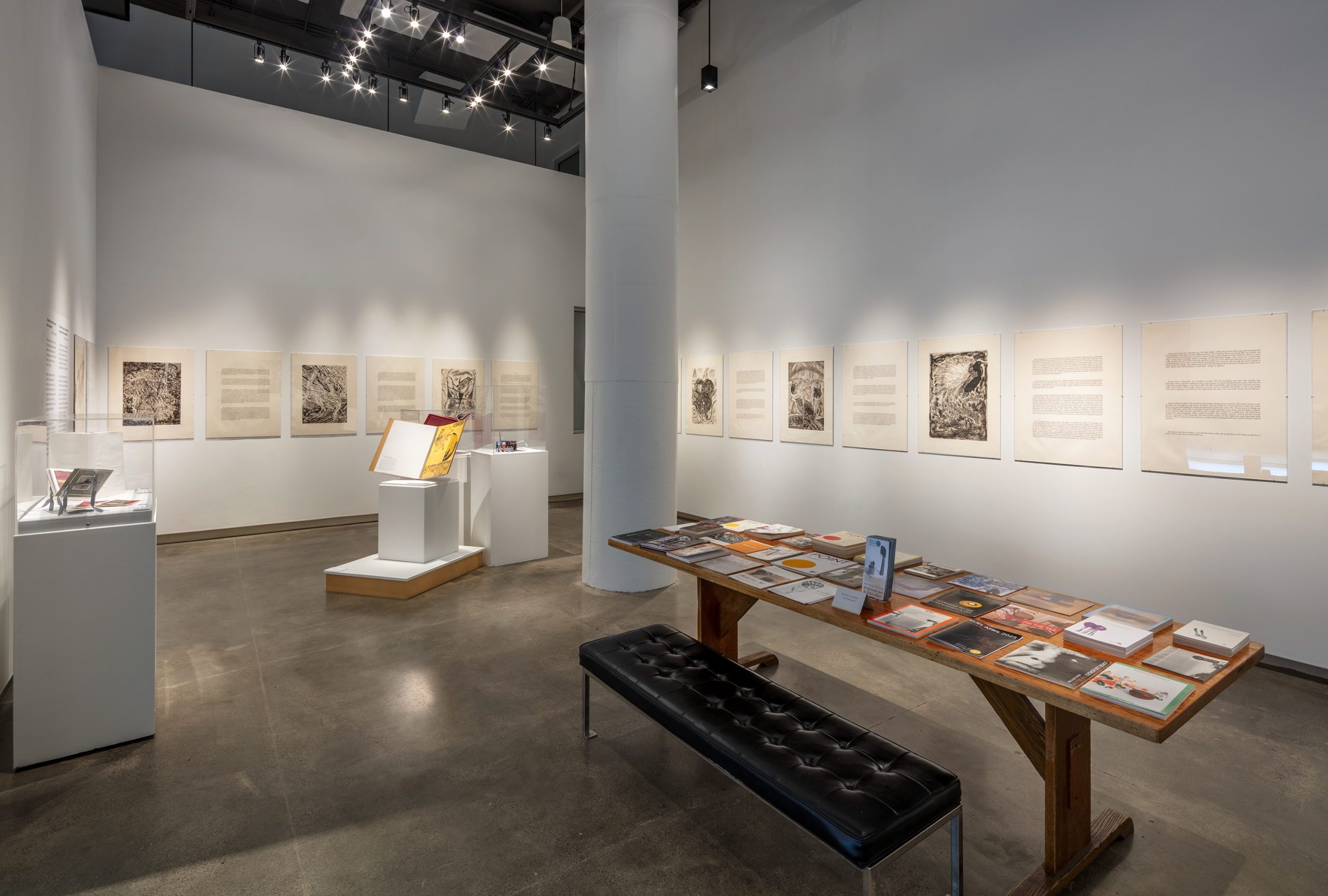
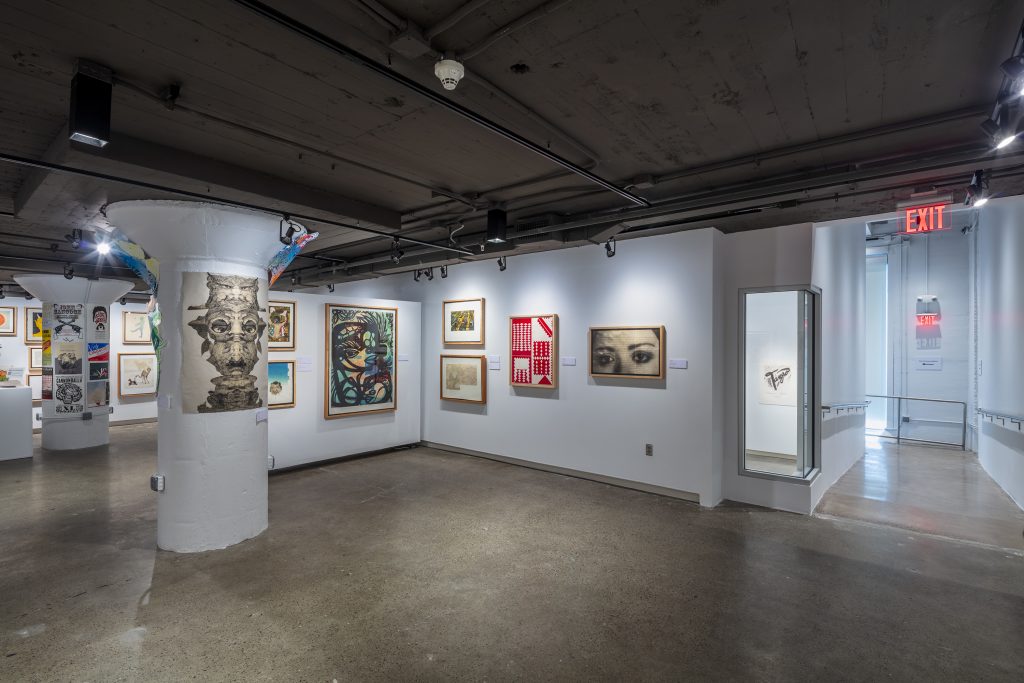
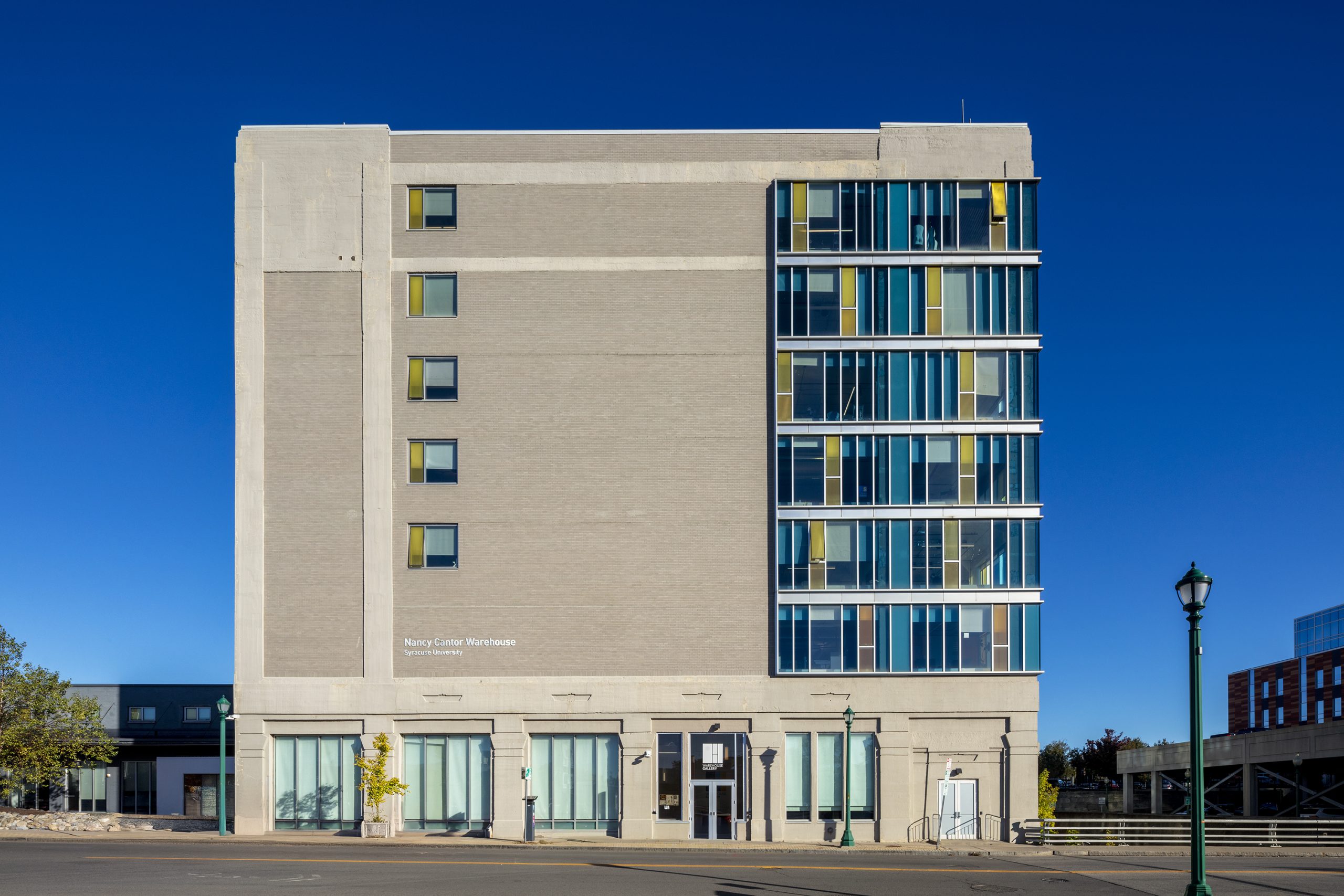
In 2023, Syracuse University engaged Chiang | O’Brien Architects to design the permanent renovation of the student gallery spaces within the Nancy Cantor Warehouse in Downtown Syracuse. The College of Visual and Performing Arts urgently required a unified, year-round gallery to support curricular exhibitions for the School of Art, the School of Design, and the Department of Film and Media Arts. Two existing suites were fragmented across multiple levels and lacked sufficient display walls, environmental controls, and ADA access.
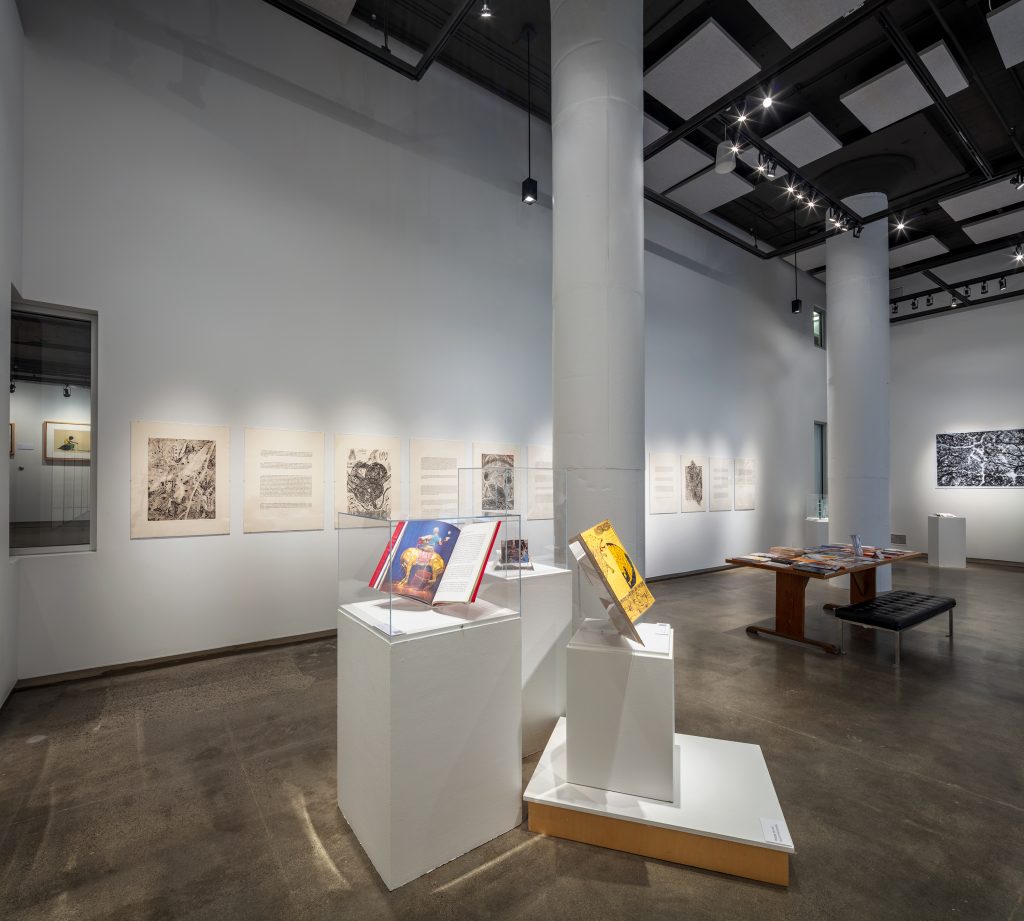
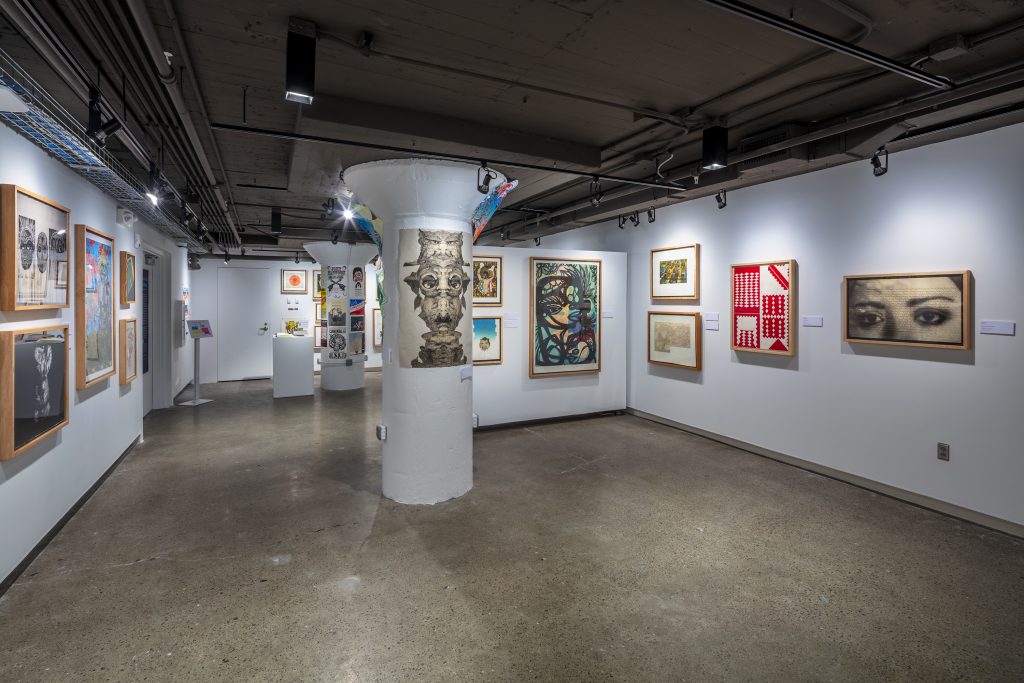
The design goal was to transform the suites into a flexible, professional gallery environment with increased wall length for artwork, expanded usable floor area, improved lighting and acoustics, and full accessibility. Accessibility was a major driver of the renovation. Before renovation, the two suites operated more like separate rooms than a cohesive gallery. Different floor elevations, isolated entries, and inaccessible ramps made circulation challenging for visitors and impossible for those with mobility impairments. One of the suites was accessible only from the building interior, while the other could be entered only through an exterior exit door.
The approved design introduces a new shared main entrance at the southwest corner—visible from a popular street—that becomes the primary public arrival point for both galleries.
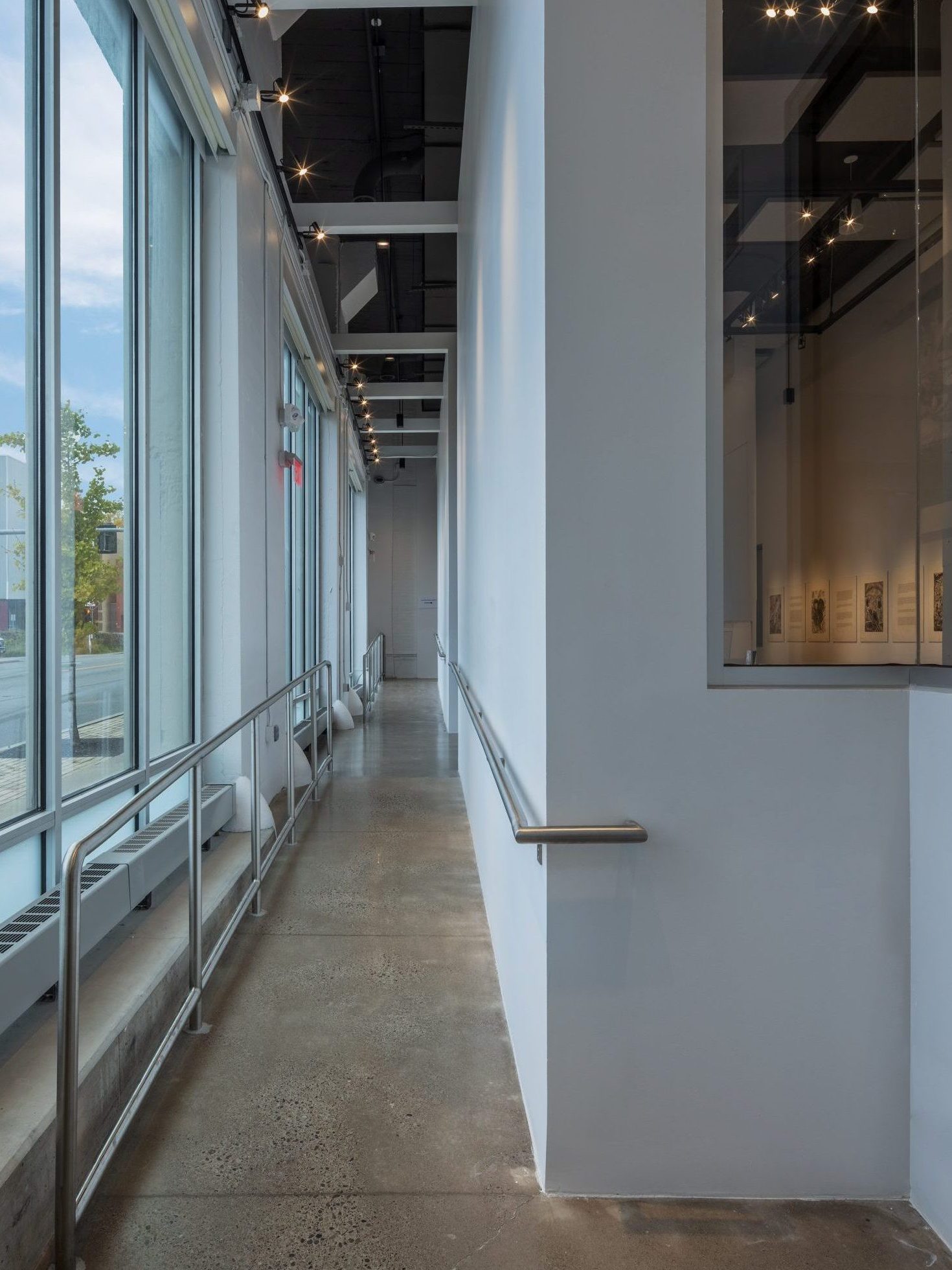
The entry vestibule offers immediate views into both primary galleries through large, glazed openings that maximize visibility across the two suites while maintaining required fire separations. This visual transparency helps the galleries read as one continuous environment and simplifies wayfinding for guests navigating exhibitions.
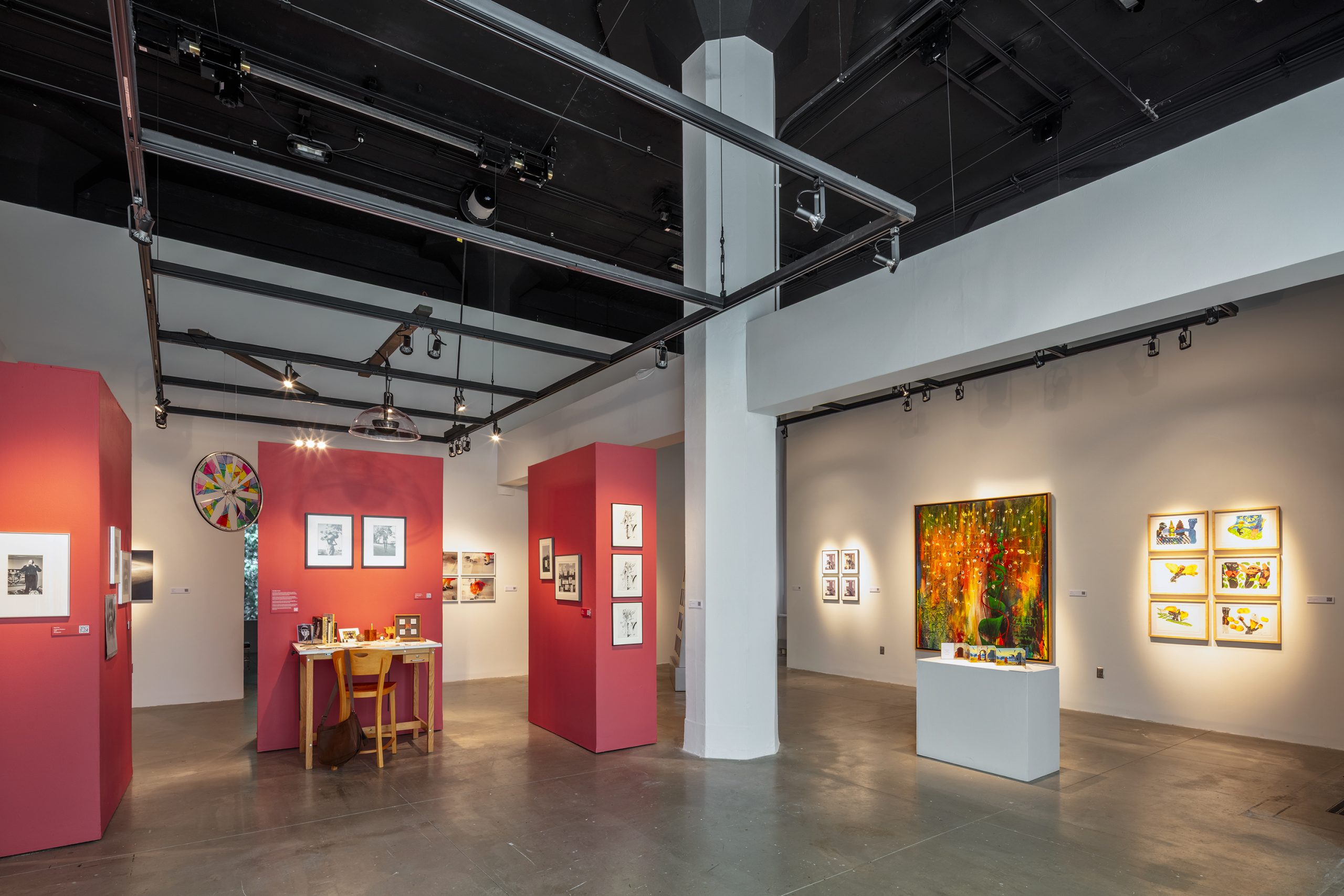
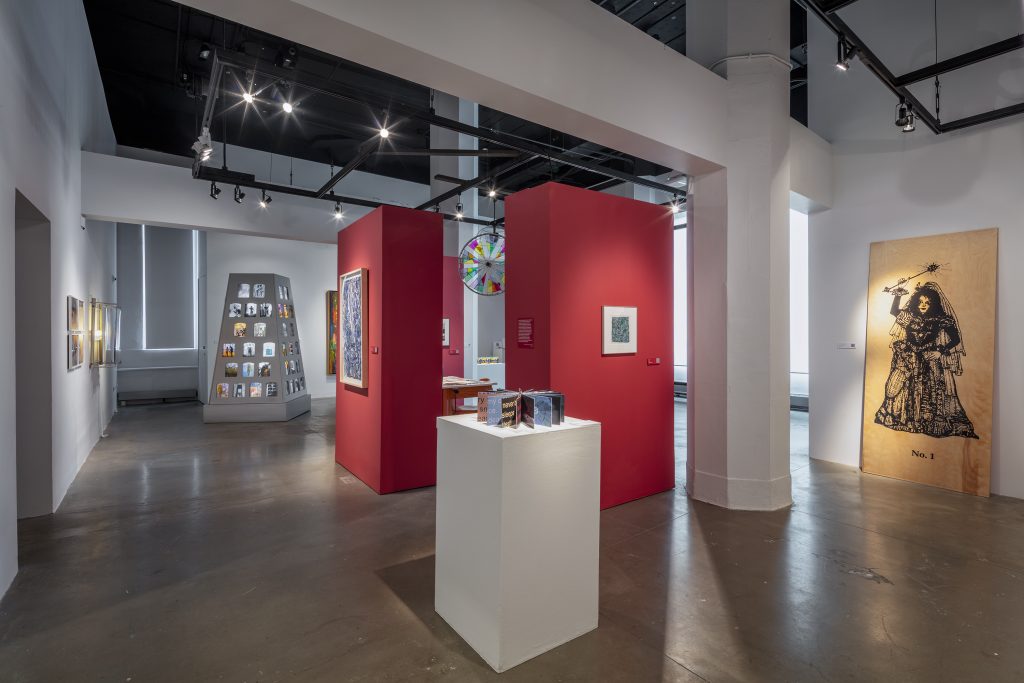
The renovation provides a suite of durable, highly adaptable display surfaces tailored to the College’s evolving exhibition needs. Reinforced mounting systems and movable wall elements allow the galleries to be easily reconfigured for critiques, screenings, or curated installations. Long, uninterrupted wall planes—including newly added tall display walls—significantly increase linear hanging space for both small and large-scale artwork.