The Pennsylvania State University – Scranton | Library Nursing Classroom Building
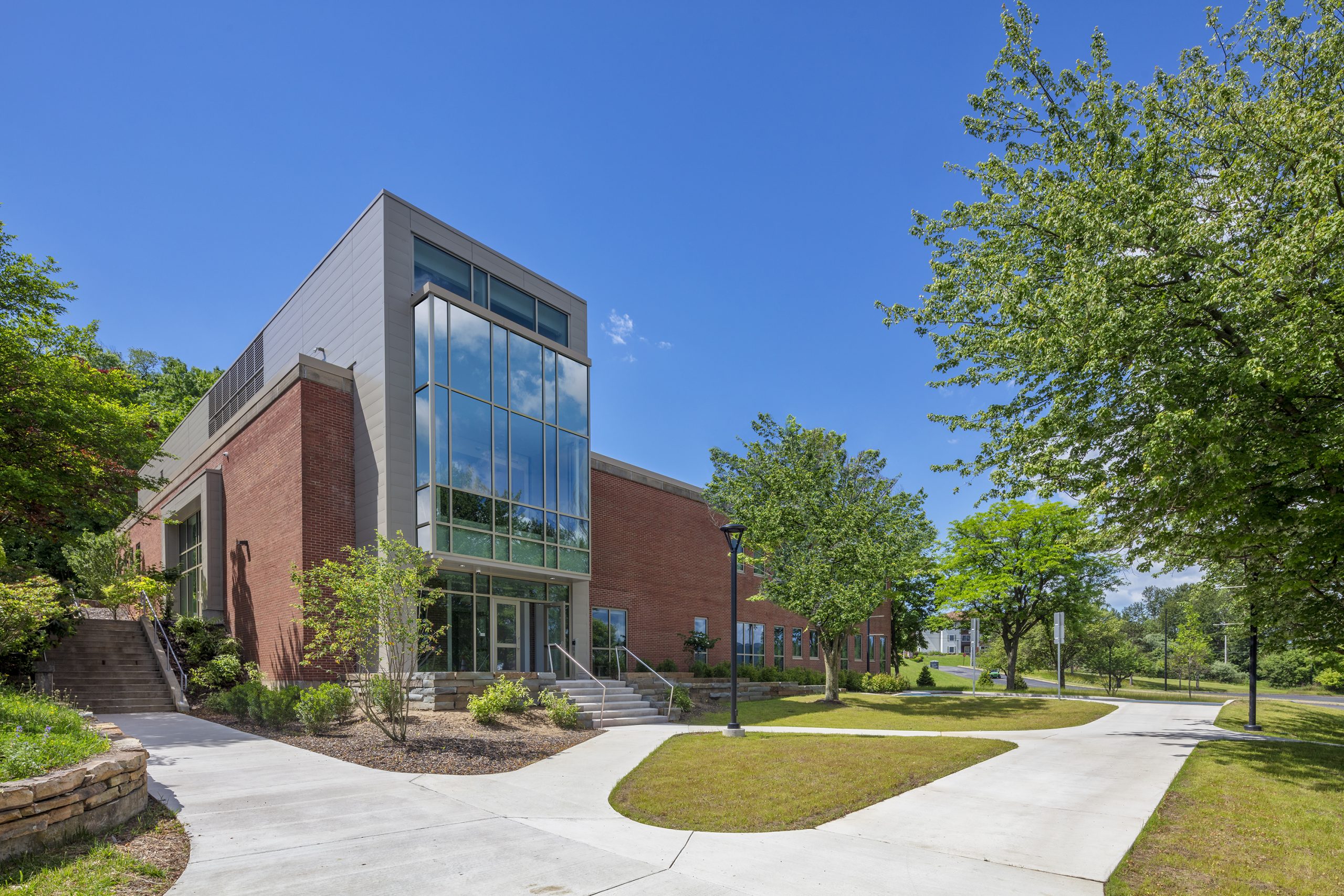
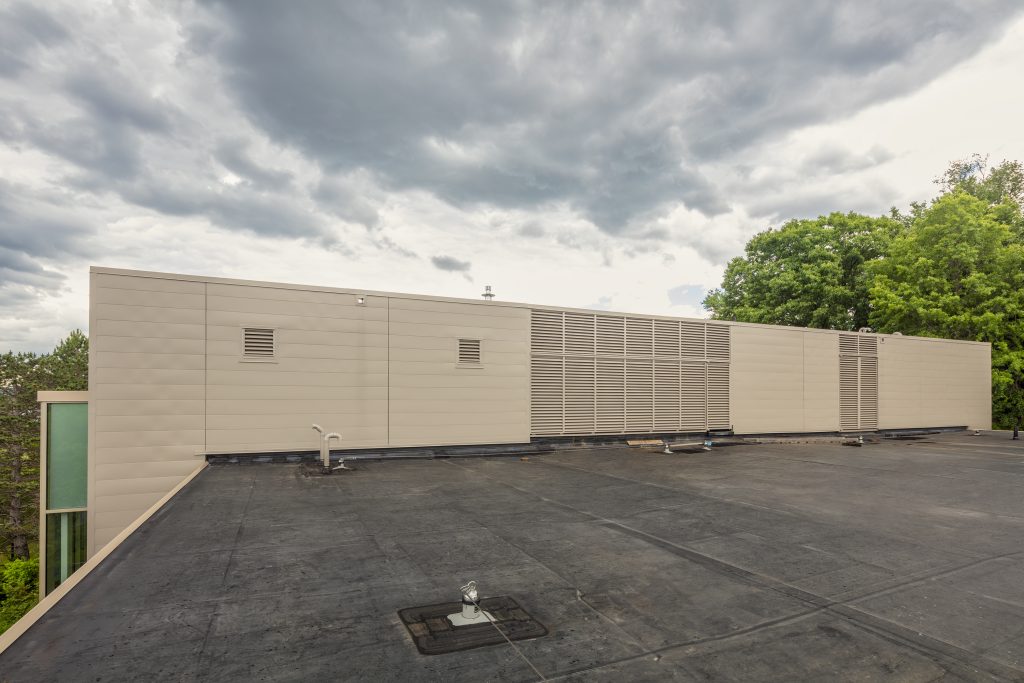
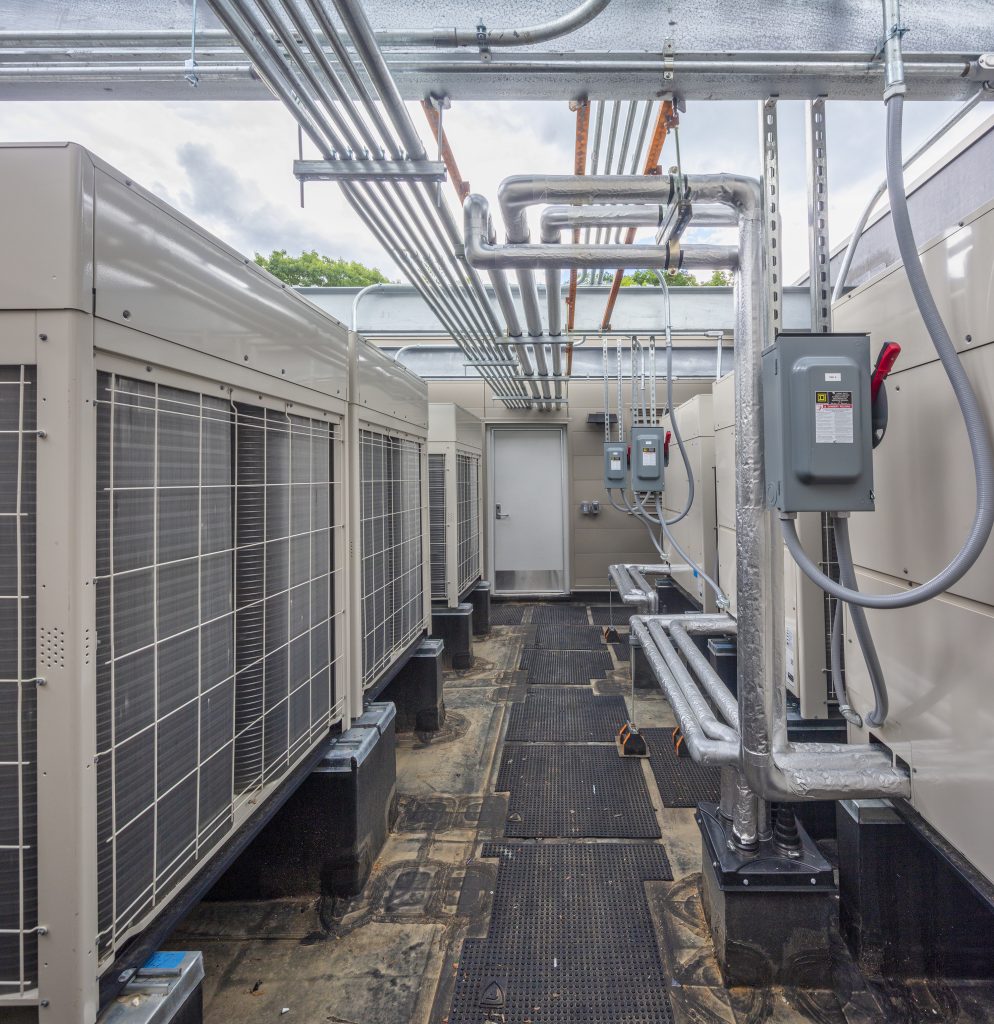
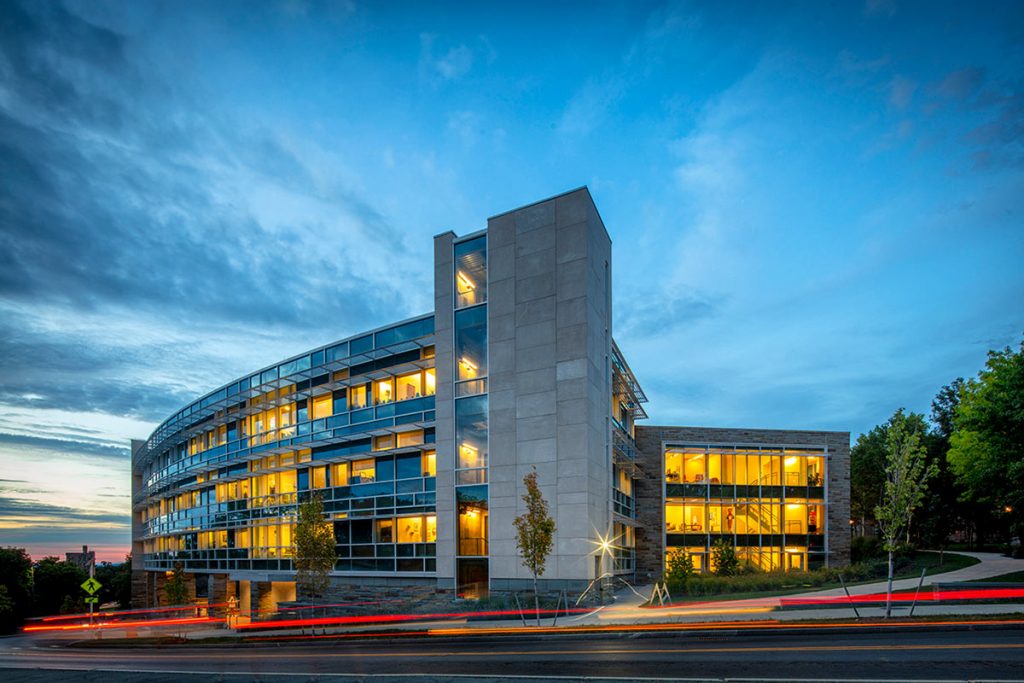
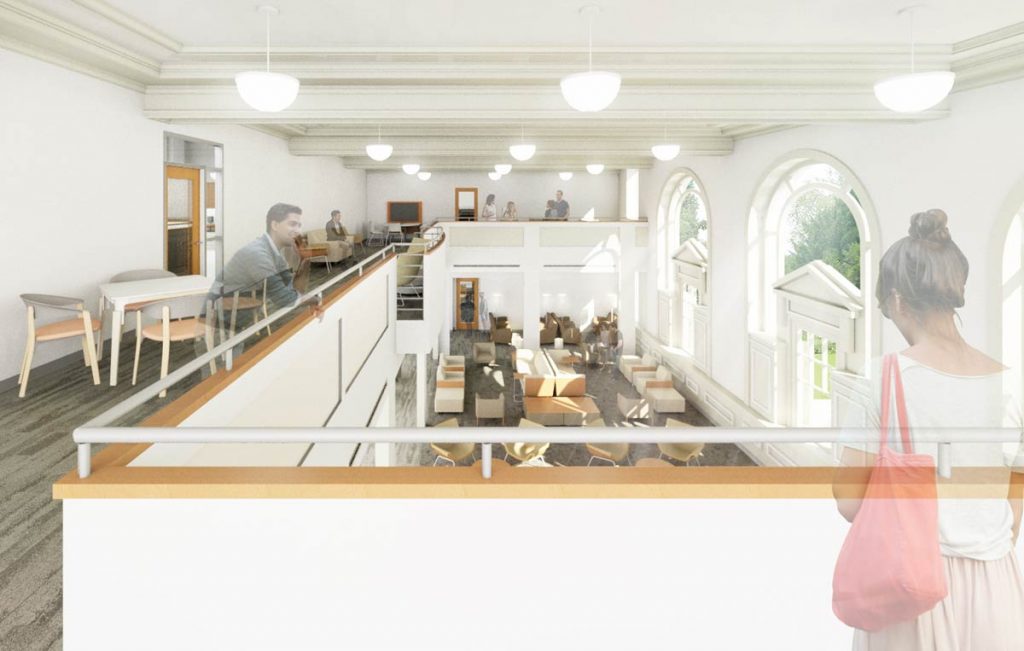
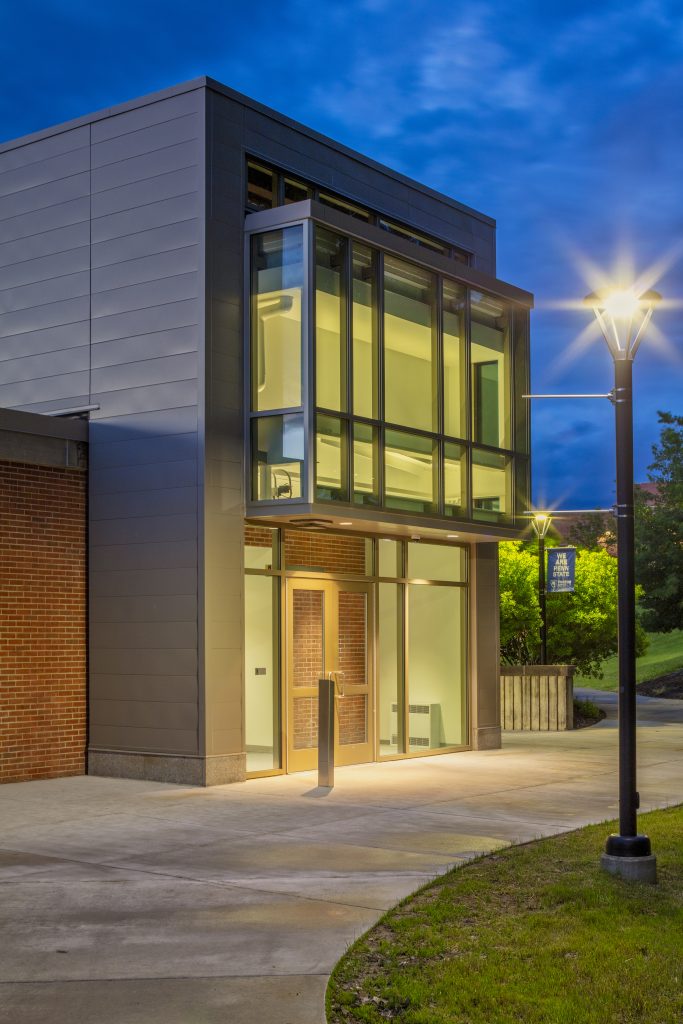
In the fall of 2021, The Pennsylvania State University – Scranton selected Chiang | O’Brien Architects to implement the Library and Nursing Classroom Building renovation and addition from design to construction. The building and the project are divided into two floors, each with two distinct programmatic elements: a library on the main floor and a nursing program on the lower floor. A significant design component of the project is the upper north and lower south entrance additions connected by a vertical circulation corridor, a public lobby and atrium at the library entrance, and a rooftop penthouse.

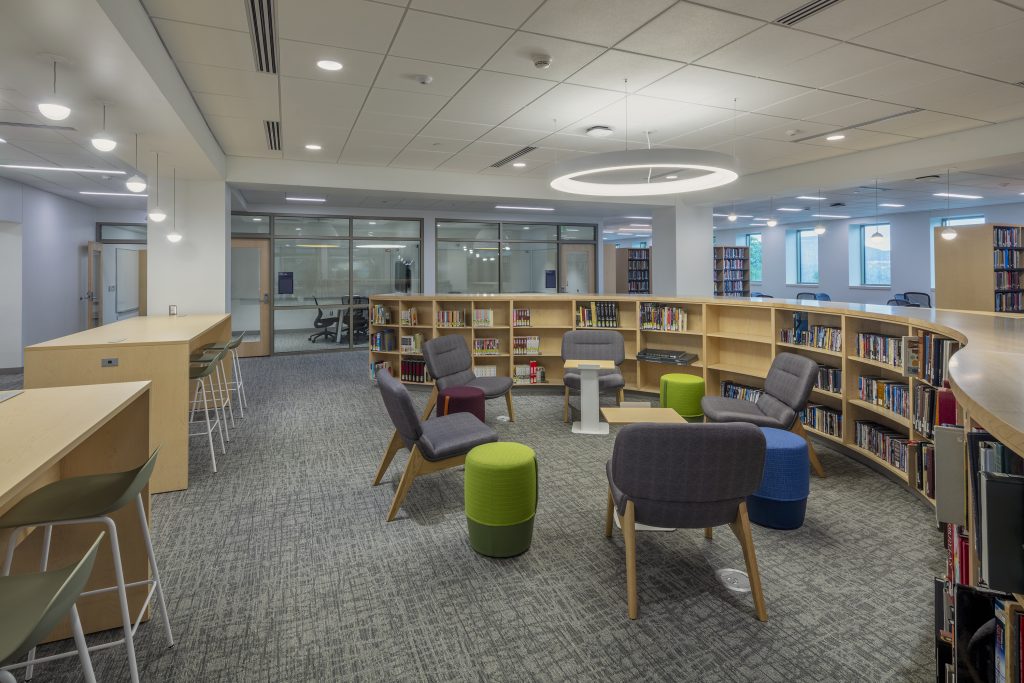
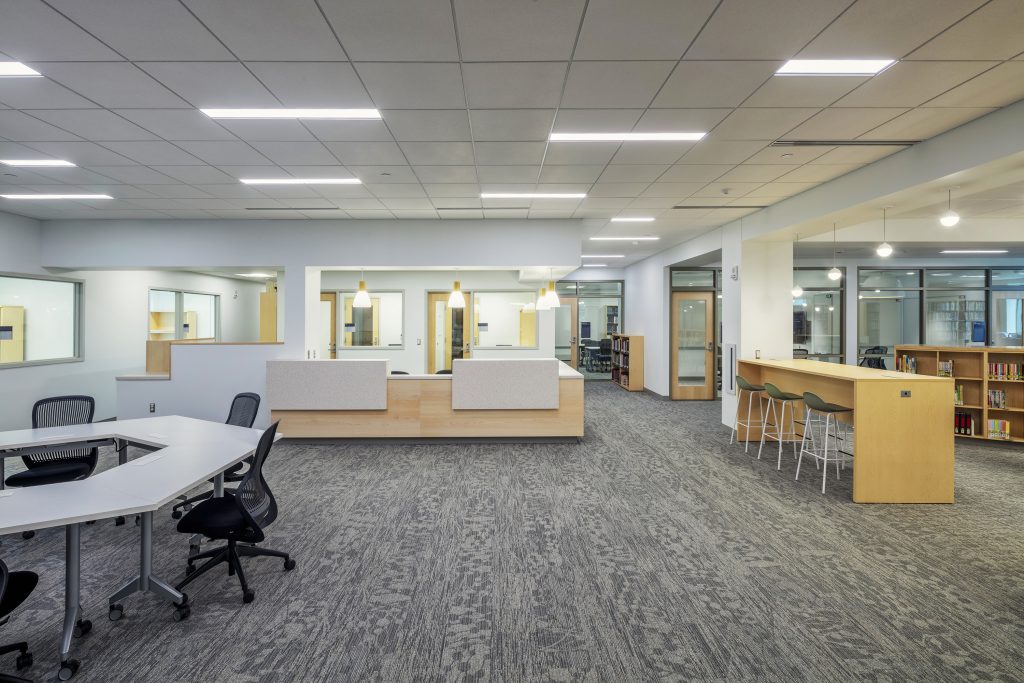
The goal for the Penn State—Scranton library was to create an innovative and collaborative “center for knowledge” that would attract it’s students. The library includes a new main entrance with a fully glazed wall between it and the new main lobby corridor, transparent collaboration rooms, exhibit and display areas, flexible programmatic zones, and new furniture and lighting.
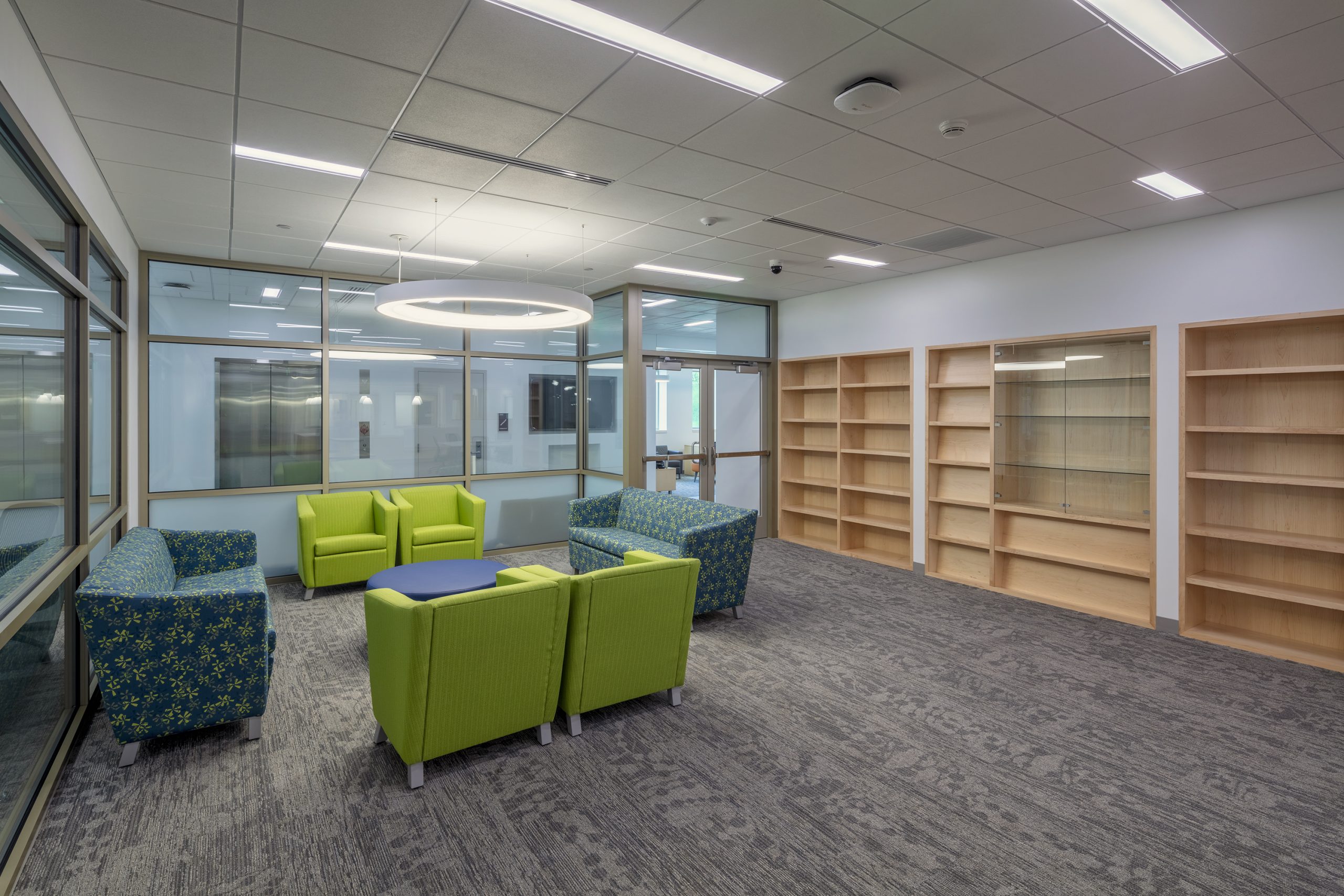
A display and exhibit wall in the library showcases popular collections at the entrance with a comfortable soft-seating touchdown space nearby.
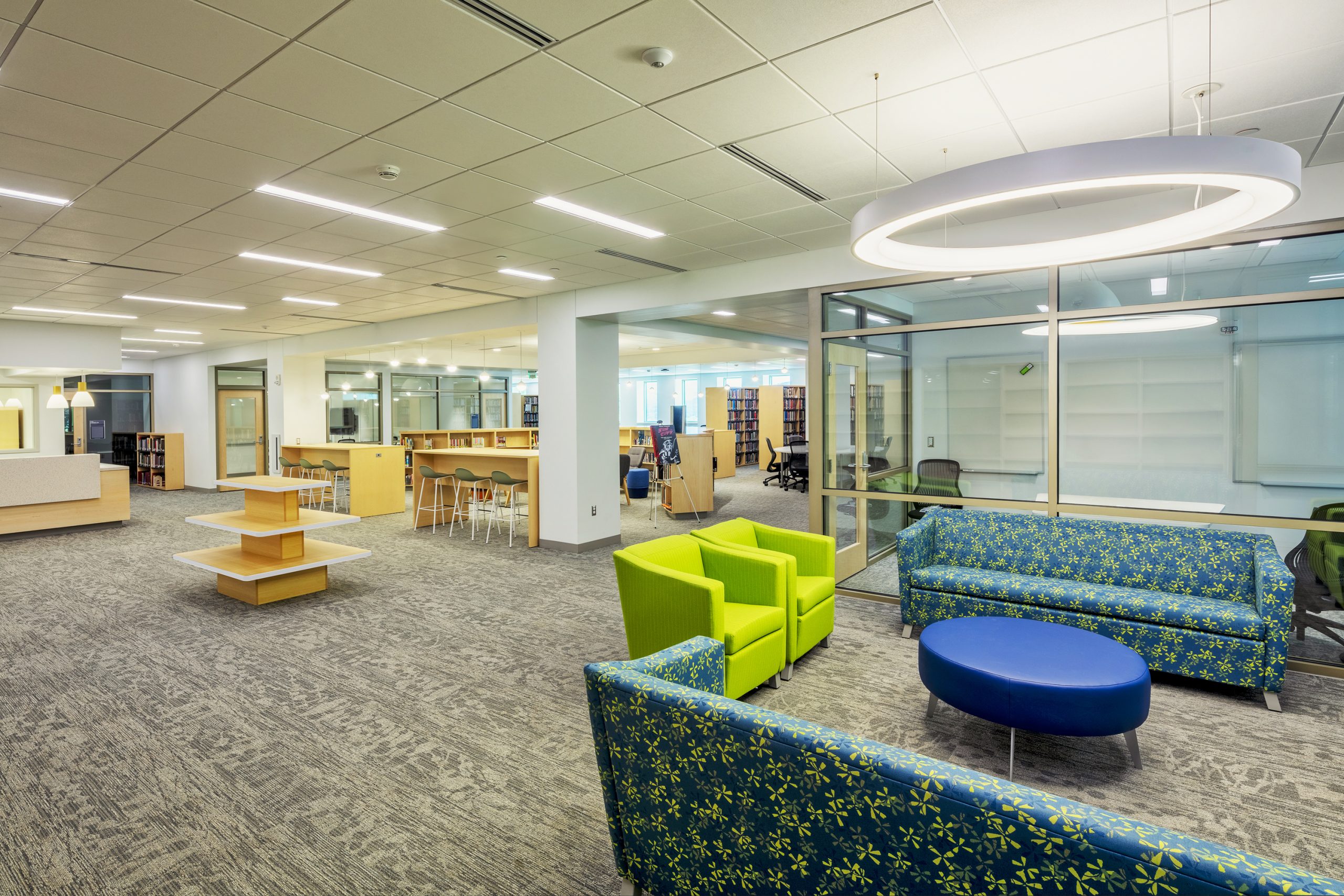
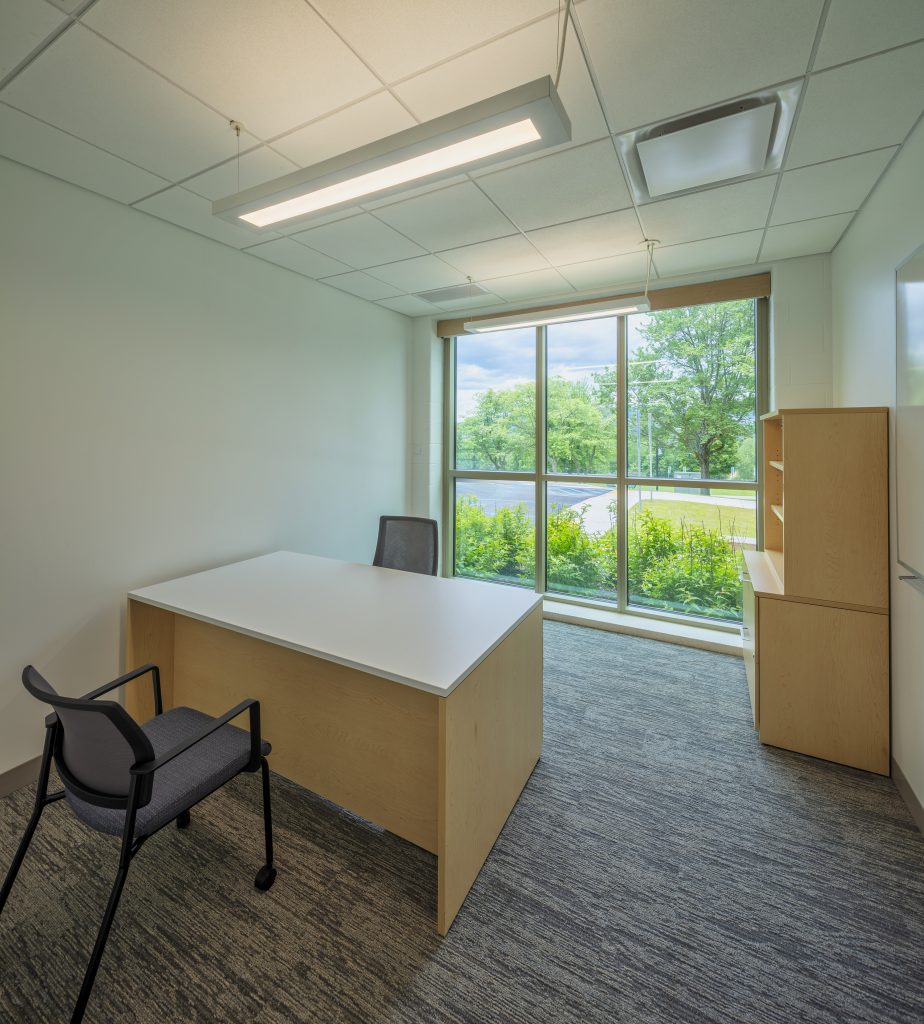
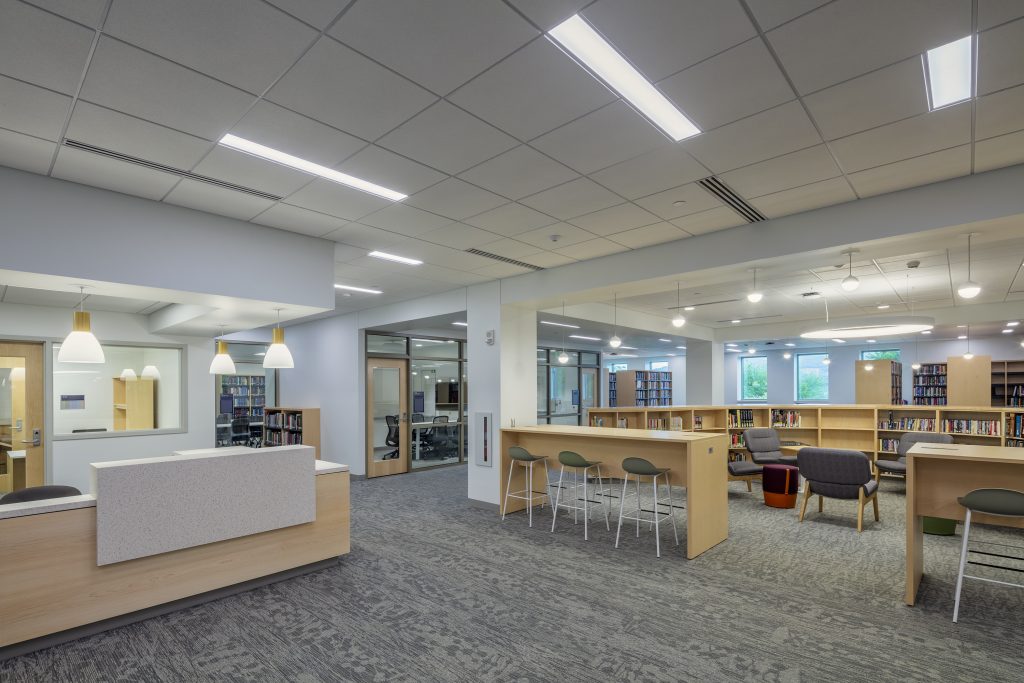
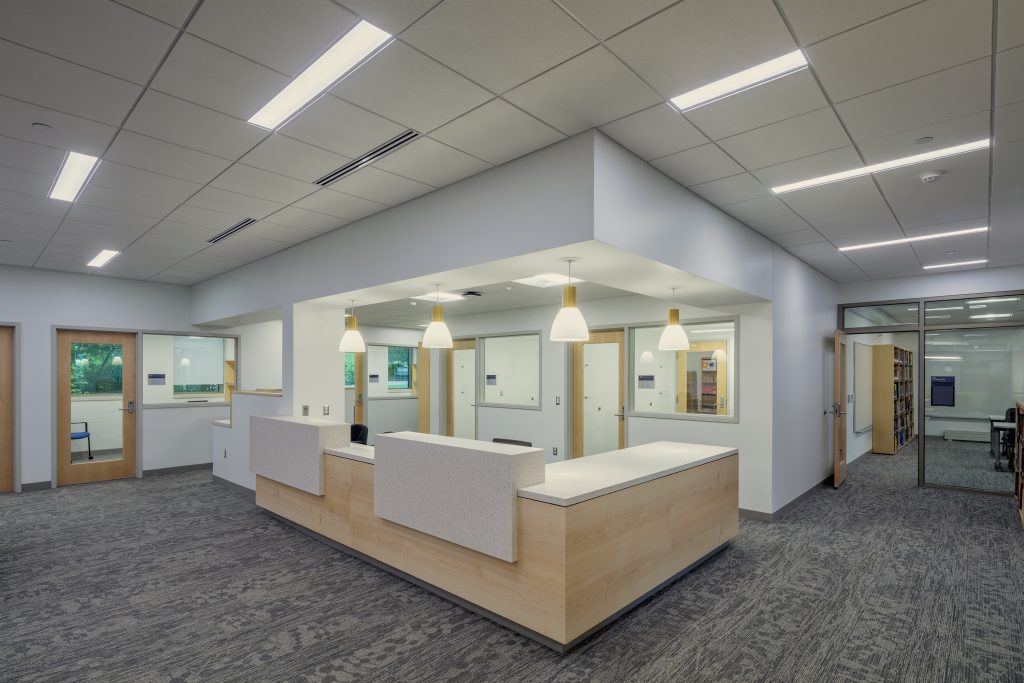
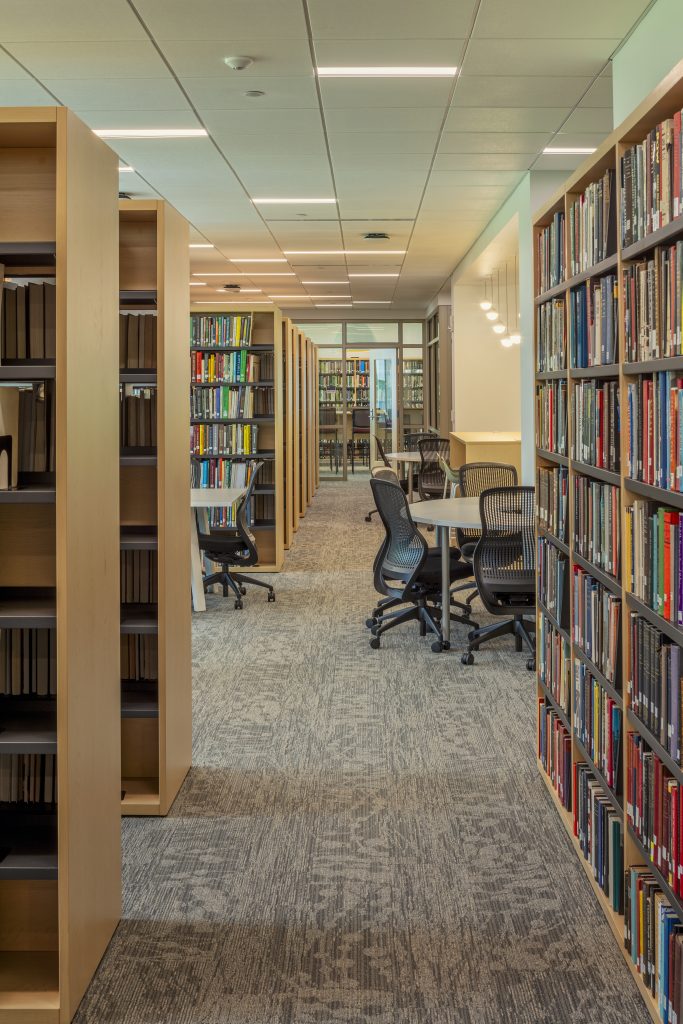
The circulation desk/service point is directly ahead and visible from the entry and the main entry door to the Literacy Lab. This entry sequence creates clarity of wayfinding for first-time visitors and students who may be unfamiliar with the space. A computer/printer/scanning zone is between the circulation desk and the entrance, just beyond the display area. Furniture layout schemes provide many options for seating, studying, gathering, and enjoying the library space. Staff offices and a library workroom are located along the south wall. Two librarian offices next to the workroom are visible and directly accessed from the service/circulation space, and the tech services librarian office connects to the workroom directly.
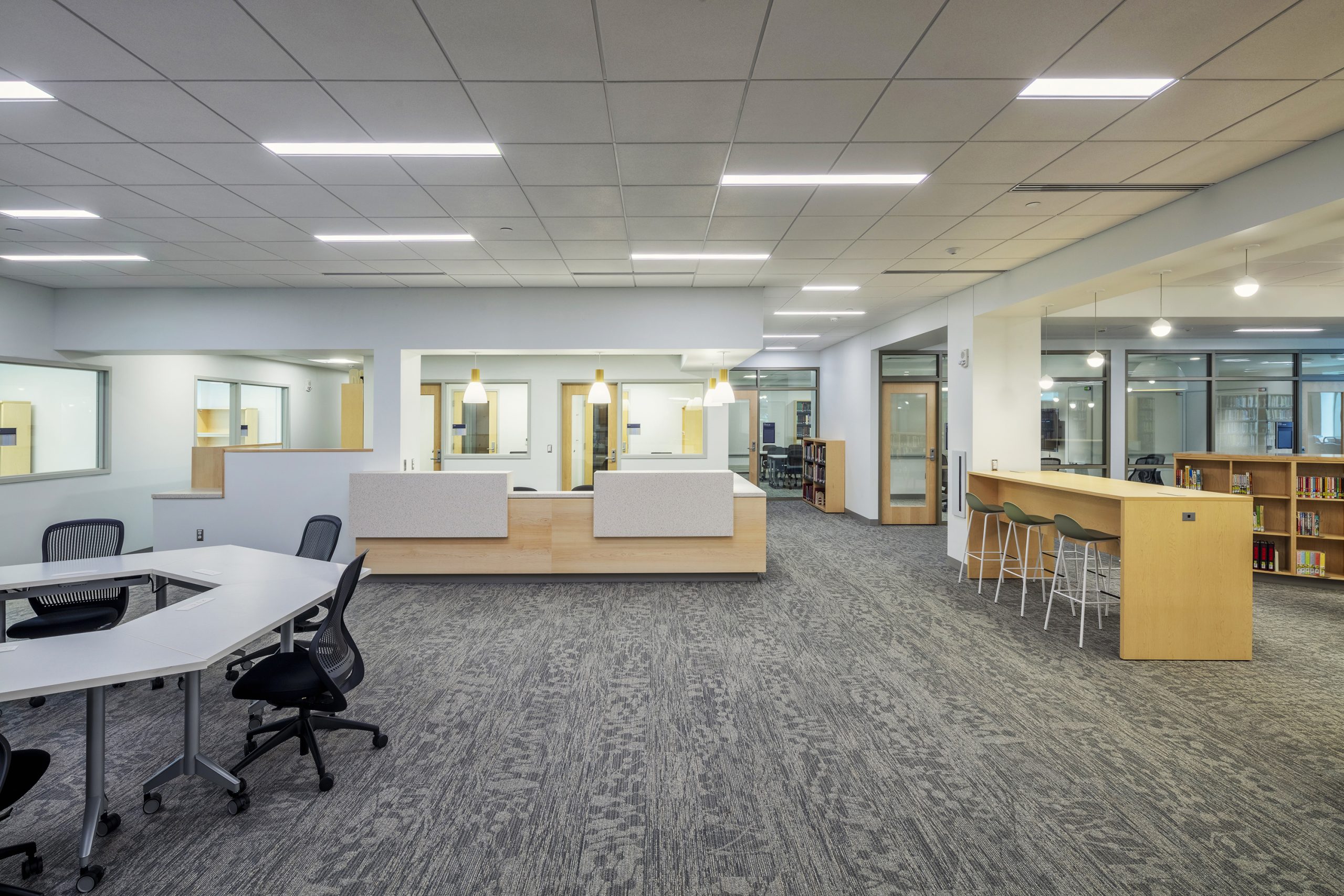
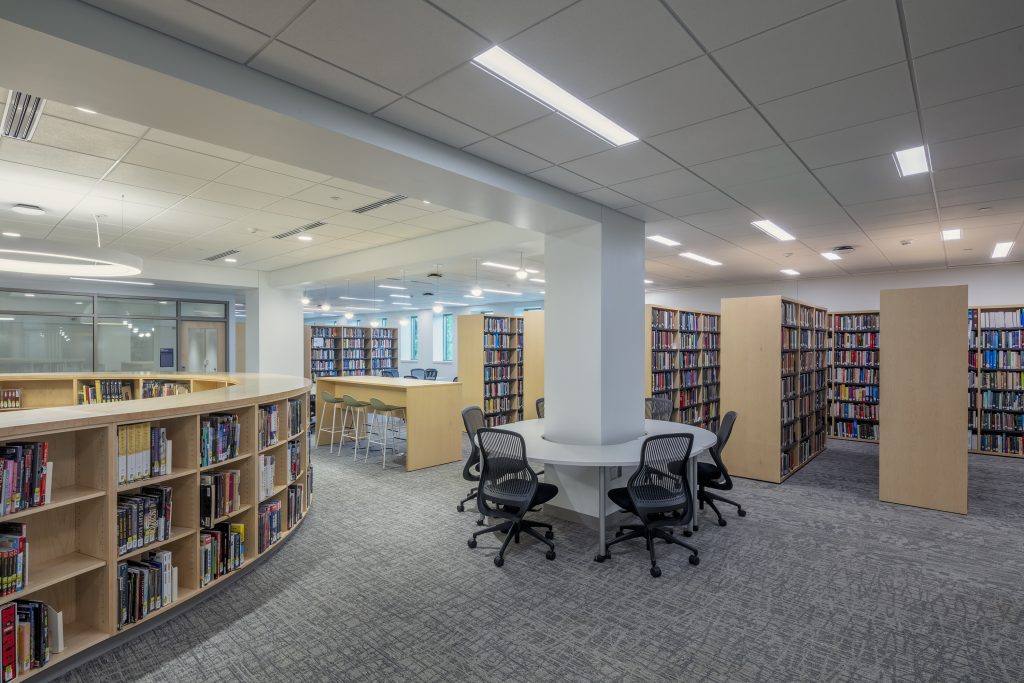
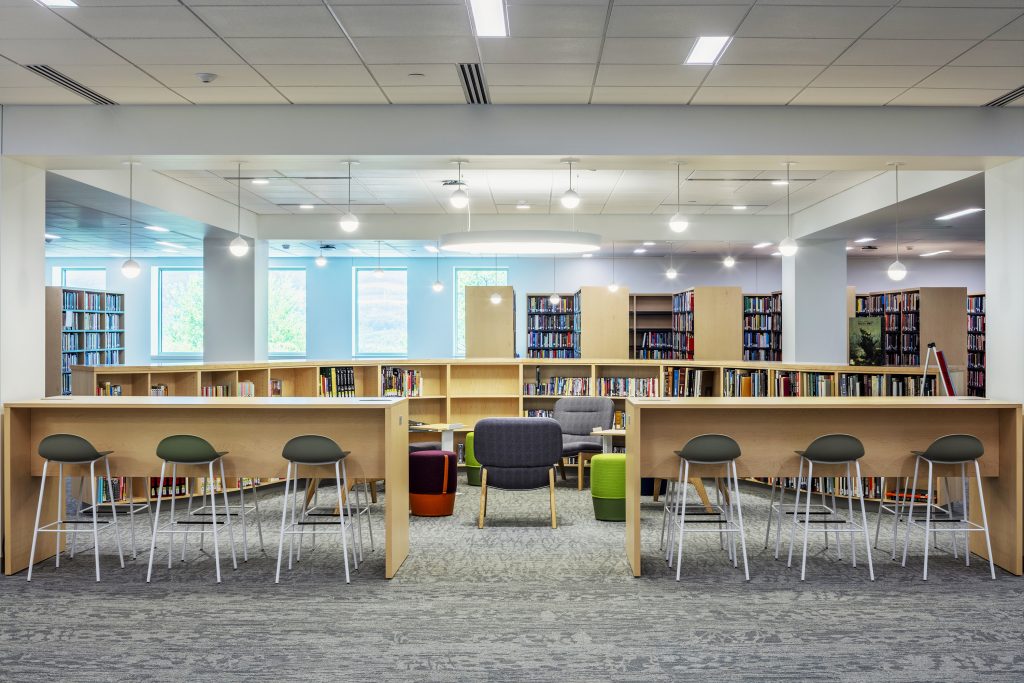
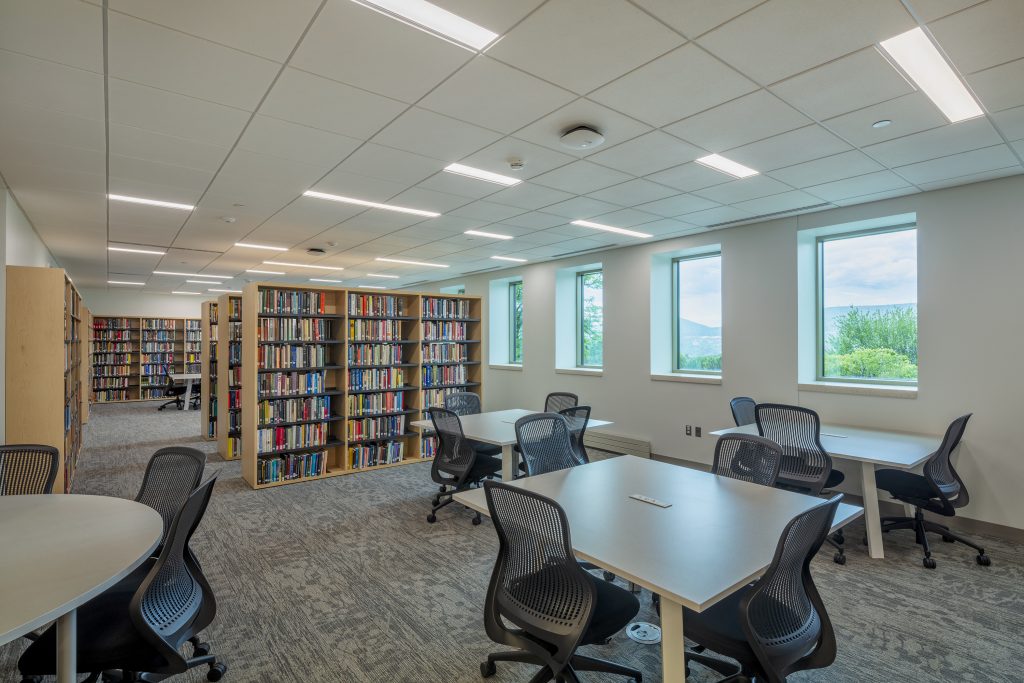
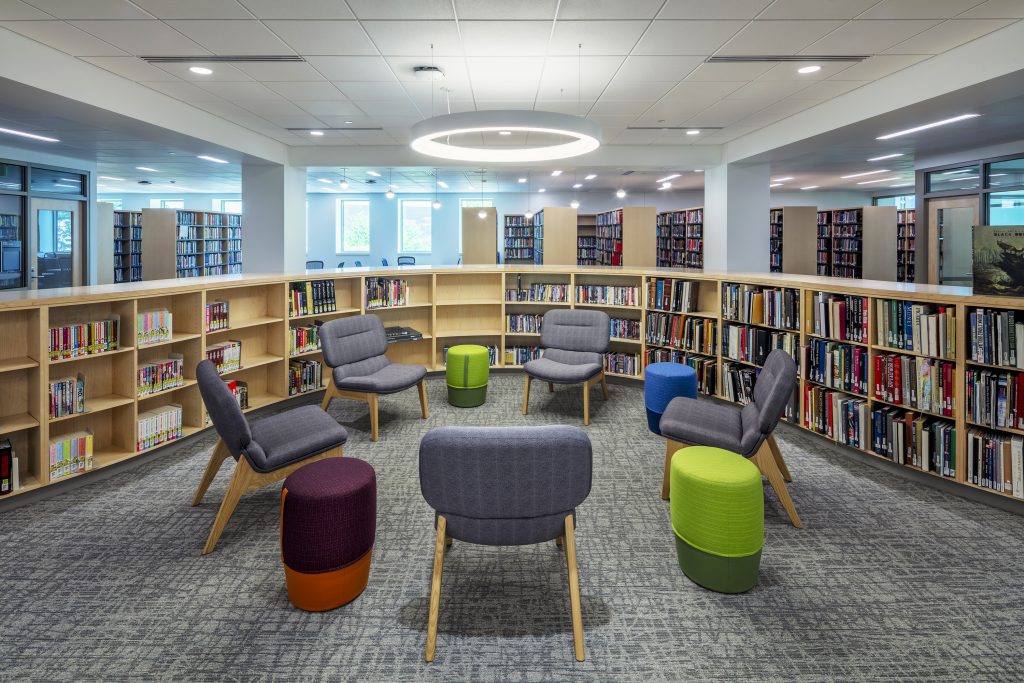
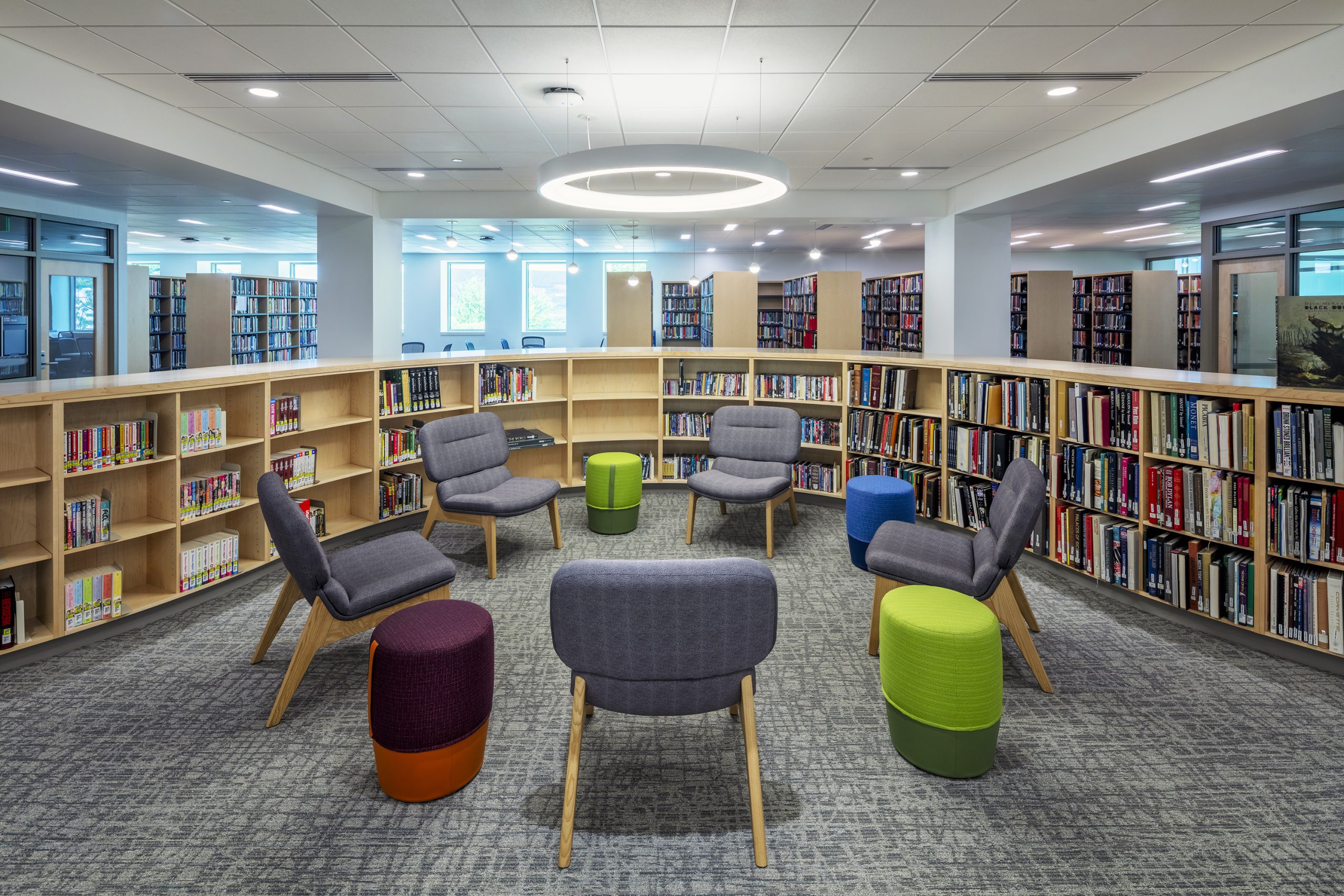
Various tables and seating address the diverse study preferences of the modern student. Low-curved shelving is directly in the library’s center with rotating collections and fun and comfortable lounge-style seating.
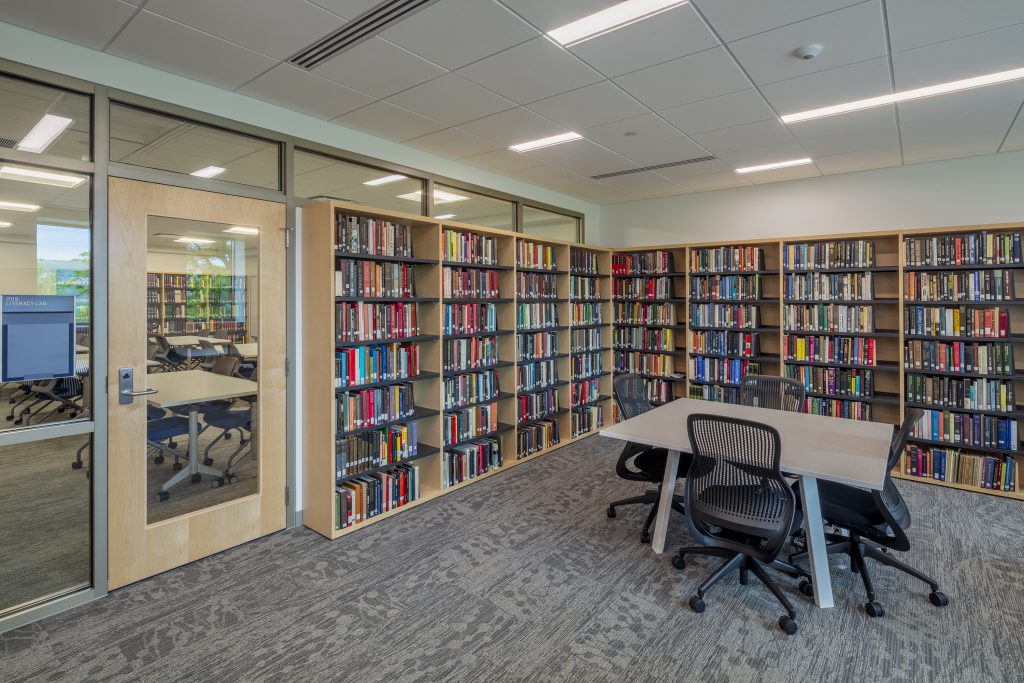
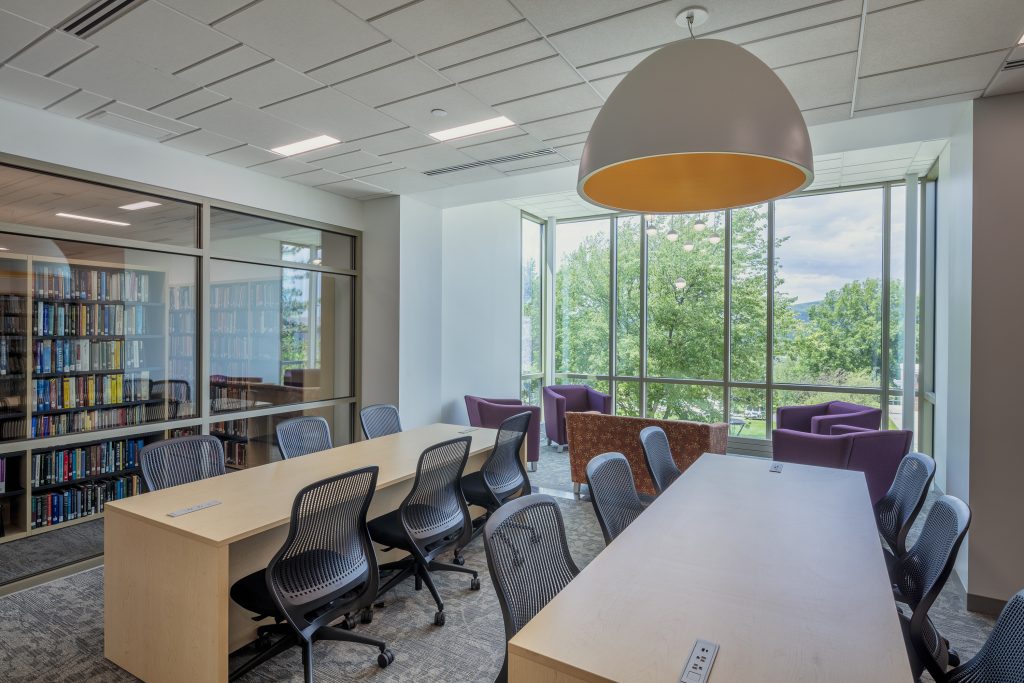
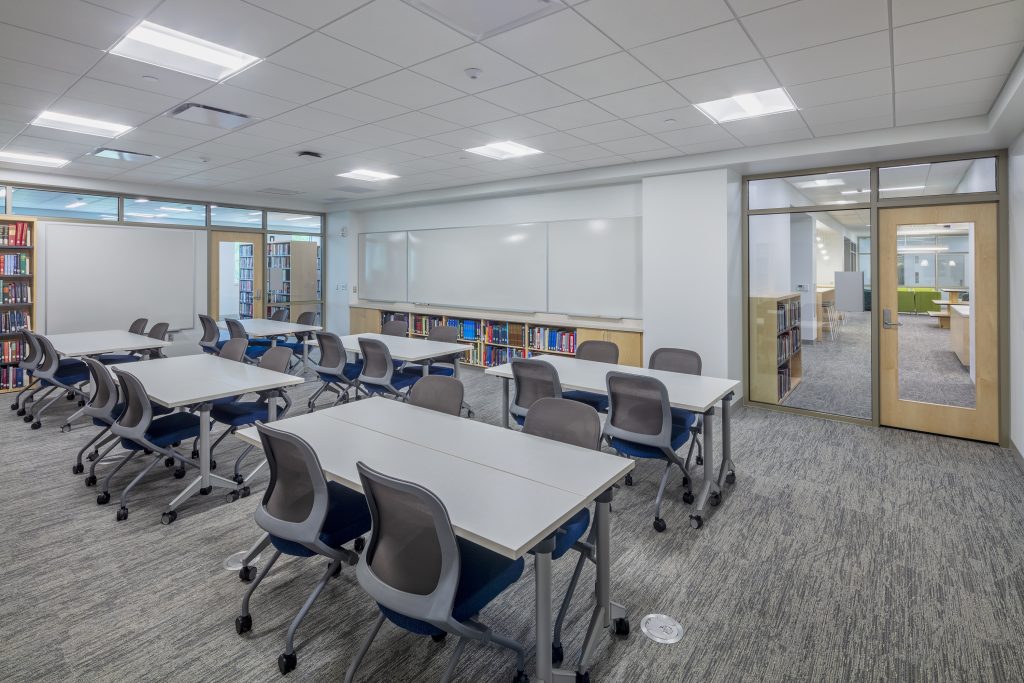
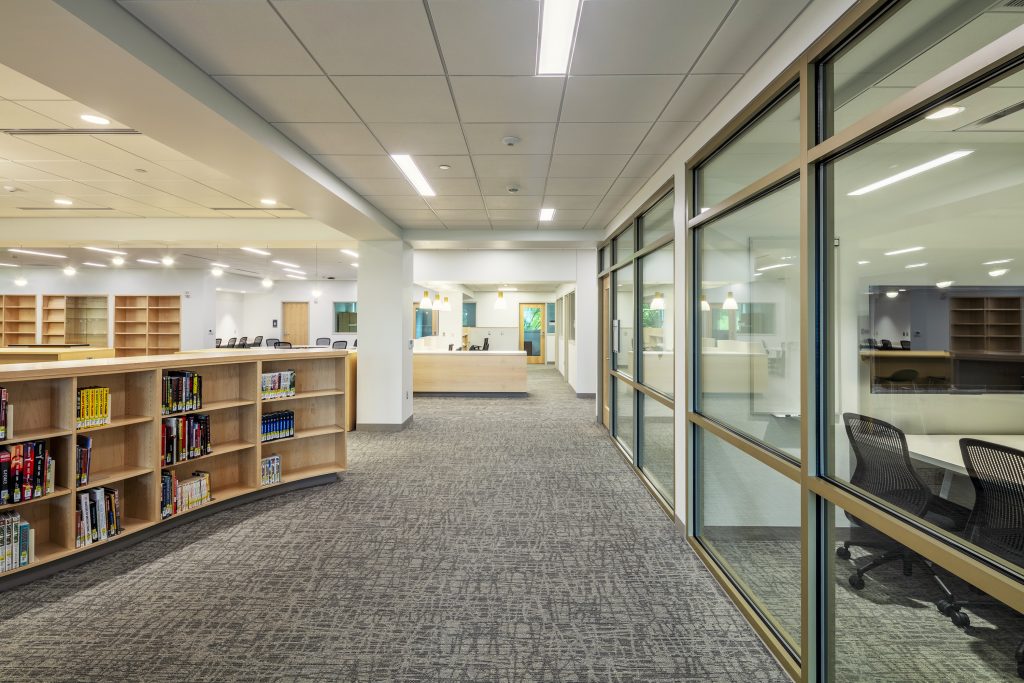
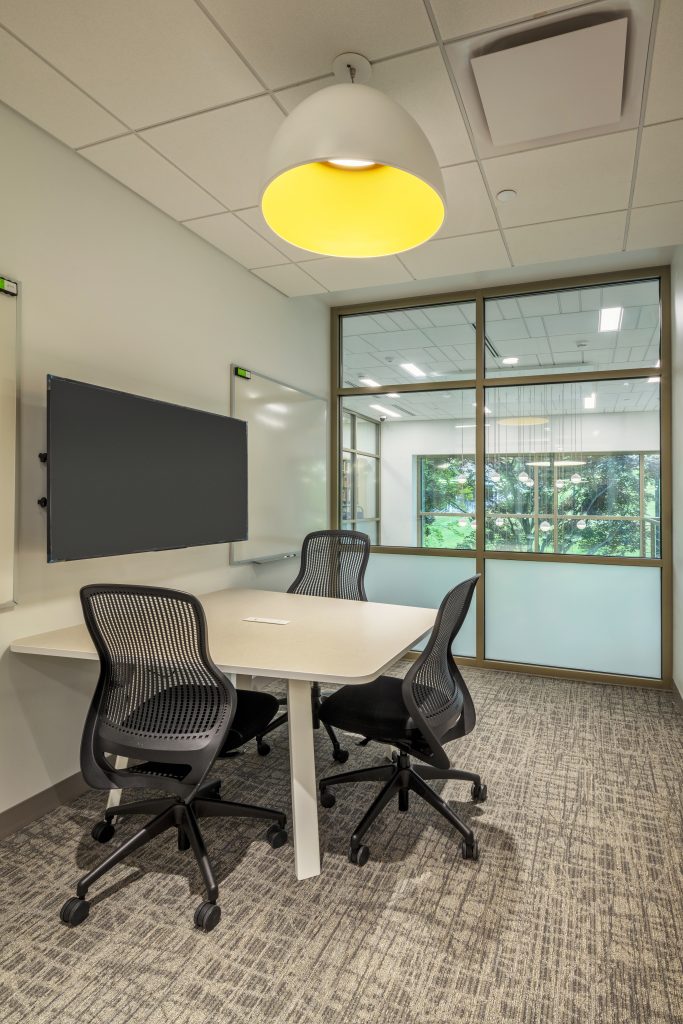
Small and medium study rooms flank the central space to the east and west. The study rooms are enclosed with glazed walls, allowing maximum transparency and natural light to radiate from the windows to the north into the larger space. Each room has a wall-mounted LCD monitor and ample marker boards.
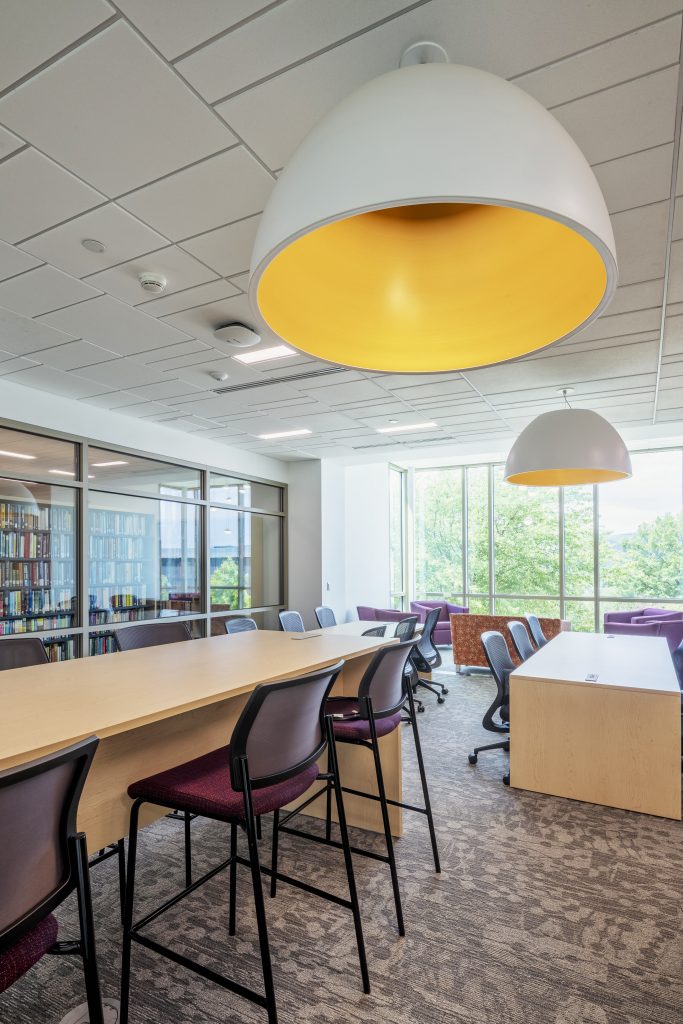

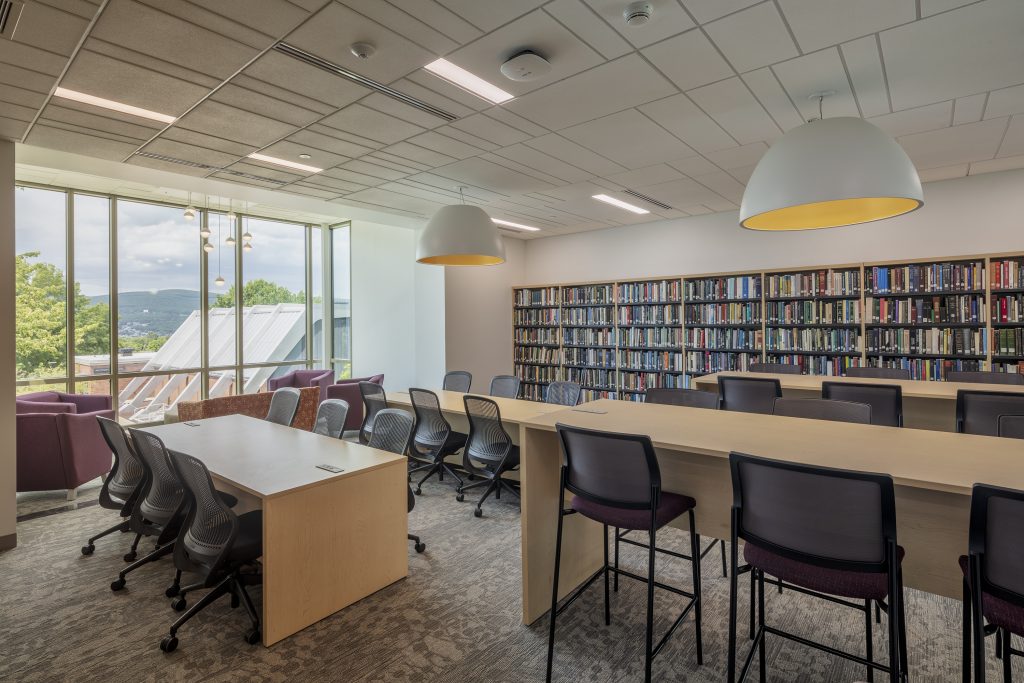
The northernmost zone is a quiet study area with raised tables and comfortable seating with view to the campus and long views of the valley beyond.
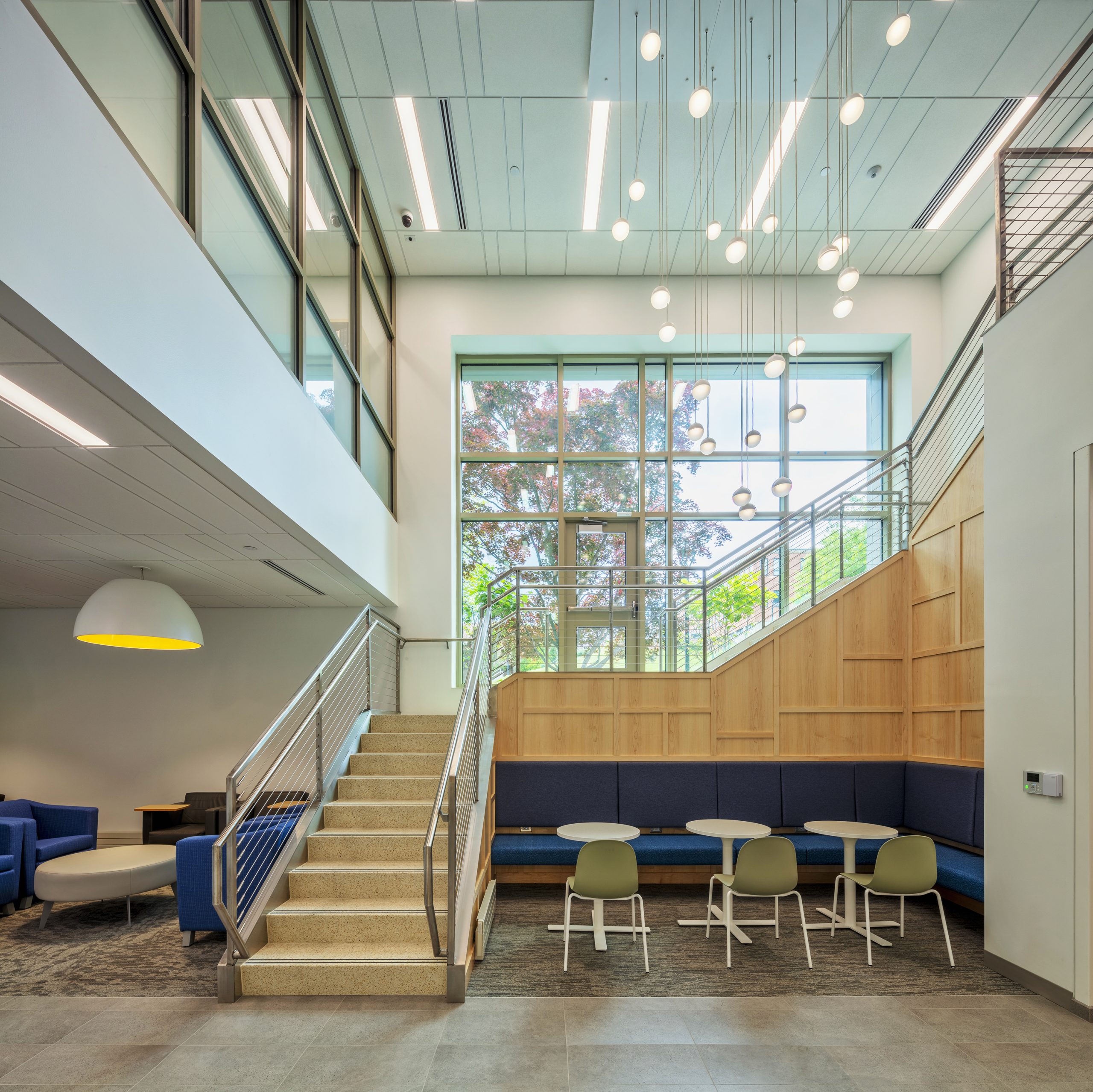
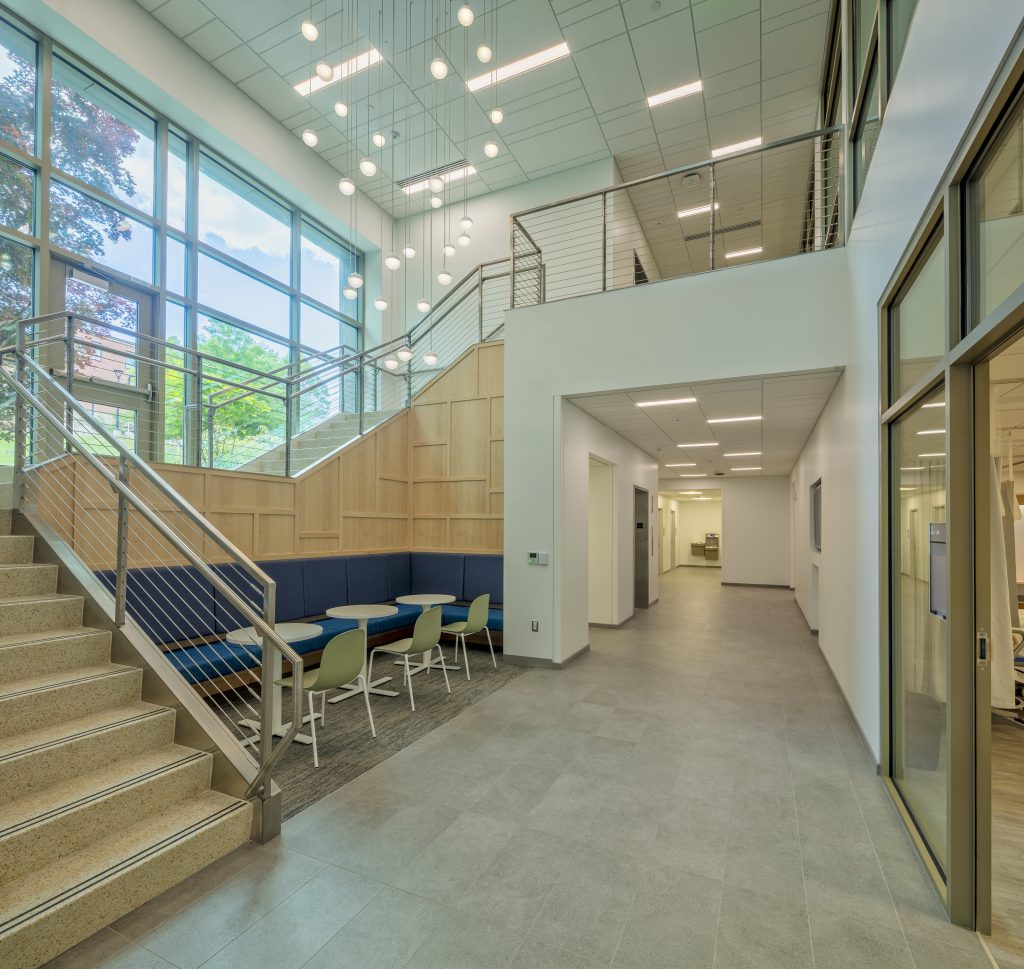
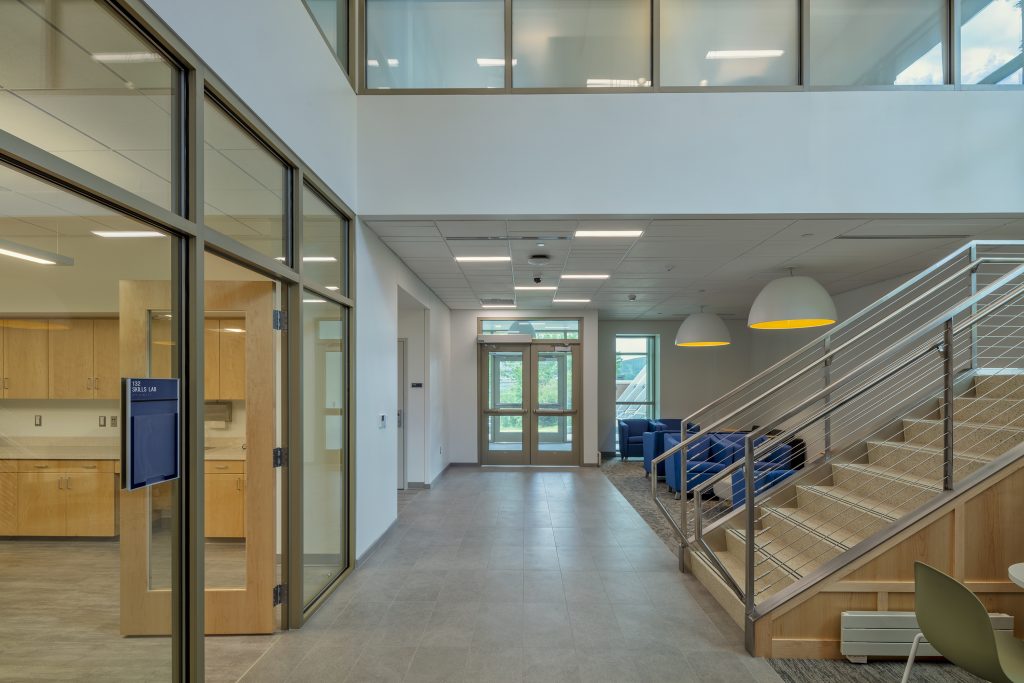
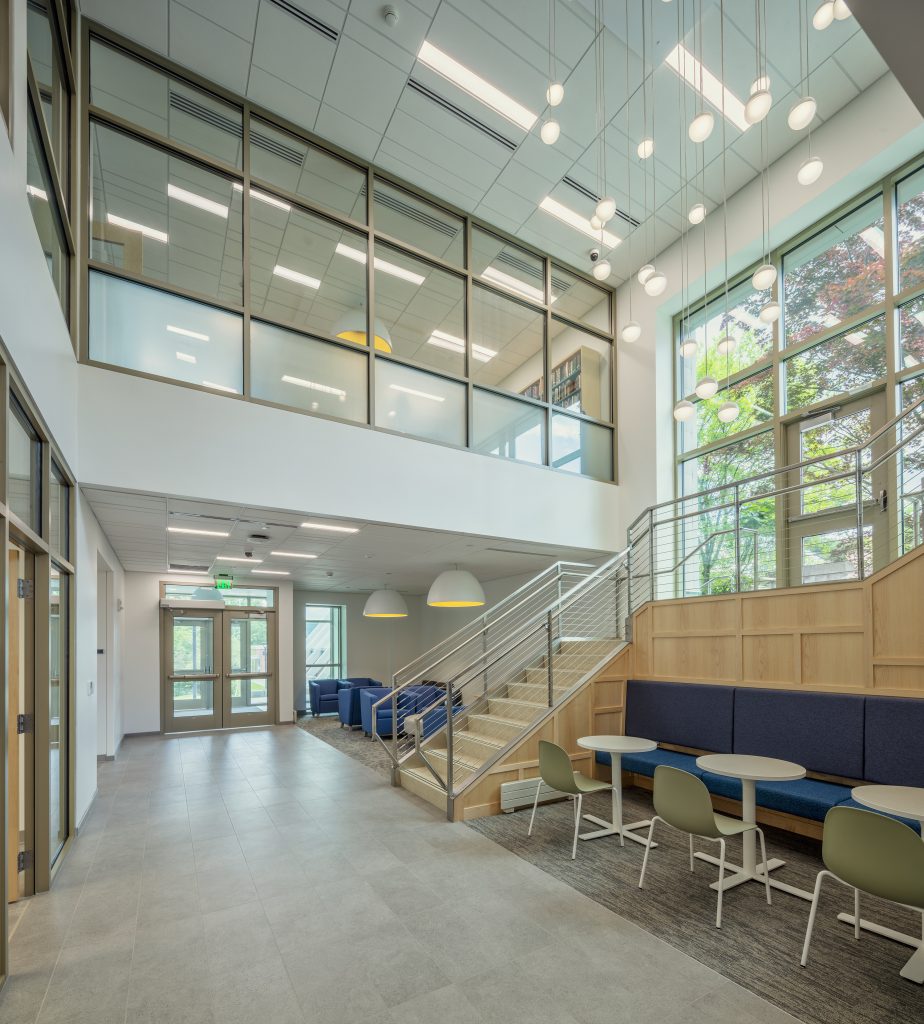
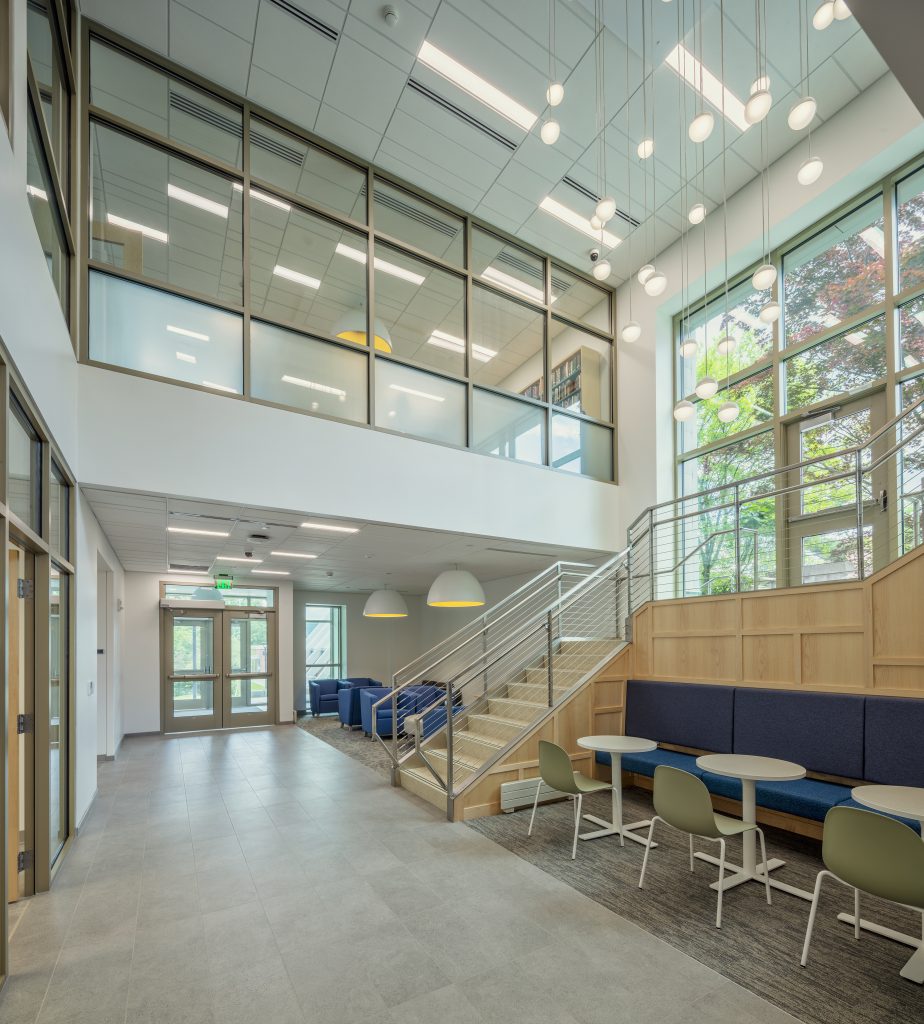
For the nursing program on the first floor, a student lounge is to the left of the newly created north entrance vestibule. A monumental open stair and two-story atrium are visible and directly connect from the first-floor lobby to the second-floor lobby. A secondary student lounge with a built-in bench is inside the U-shaped stair footprint. The built-in bench features a decorative wood paneling backdrop that follows the underside of the stair stringer up to the second floor.
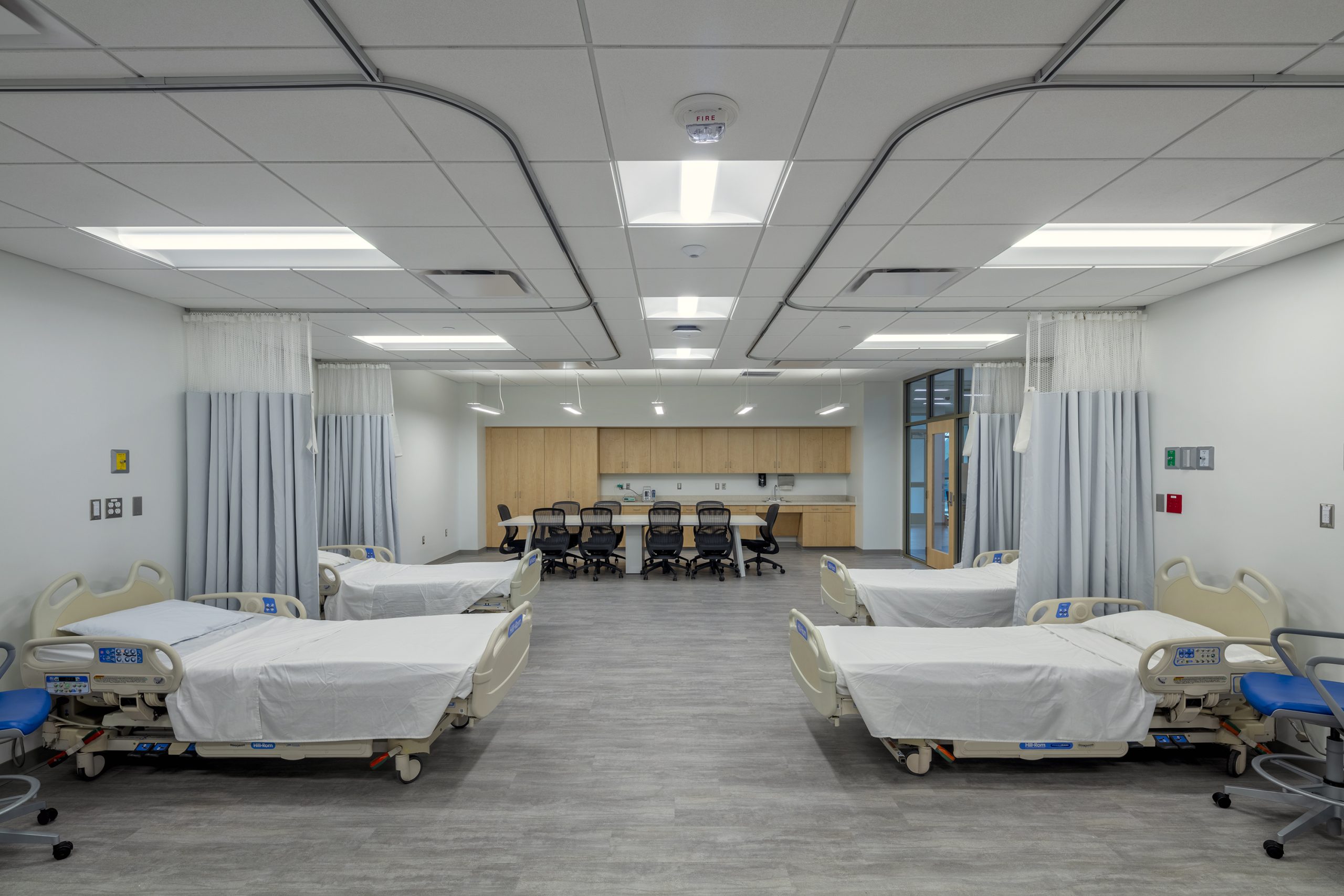
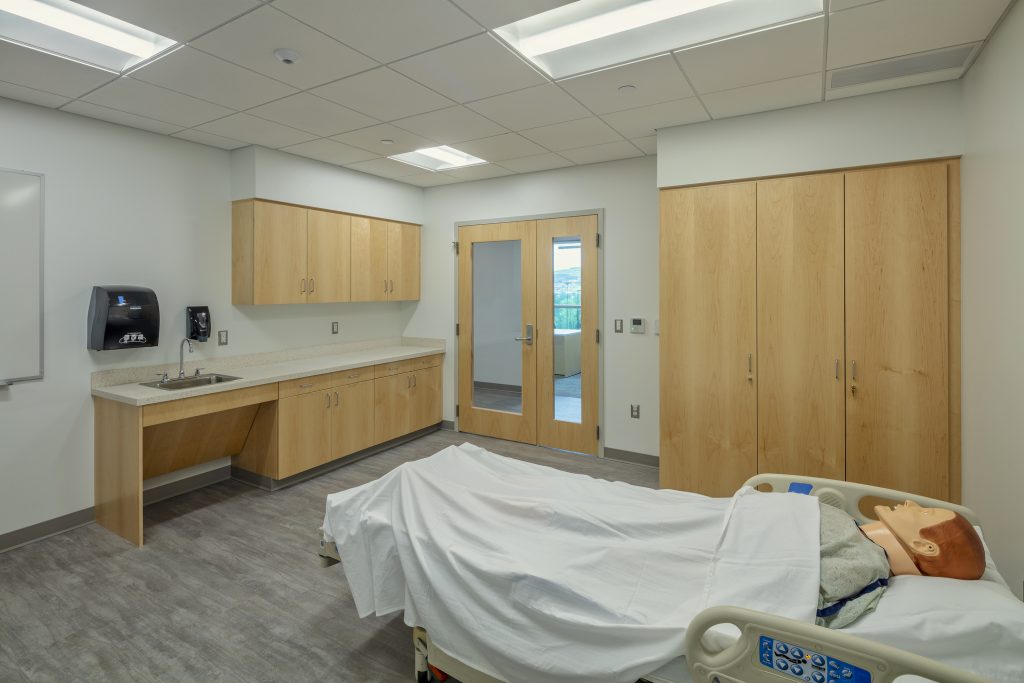
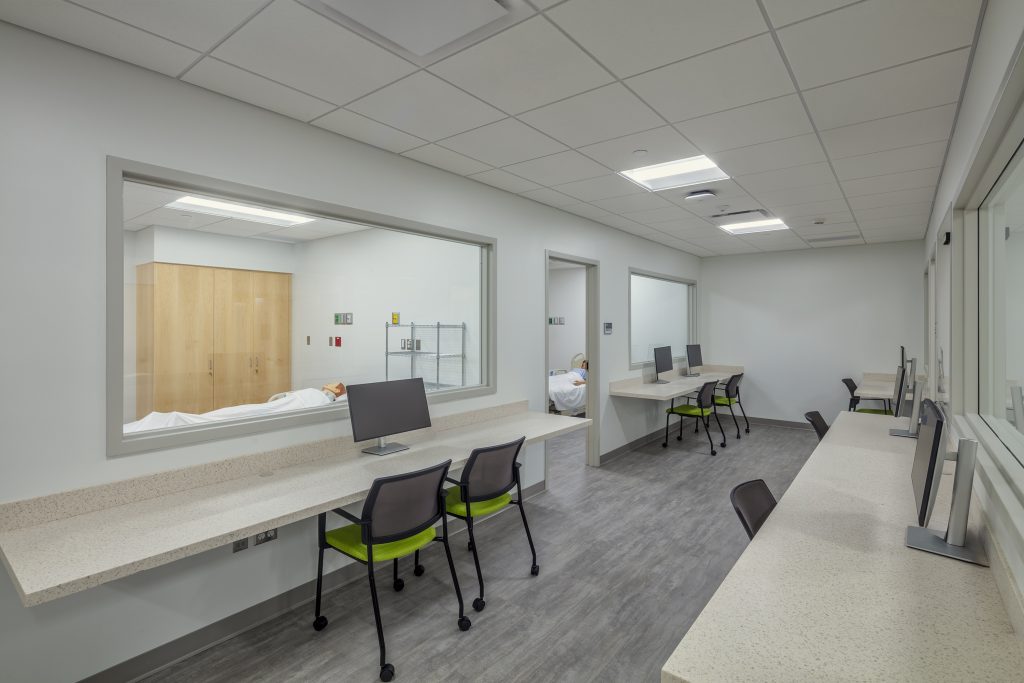
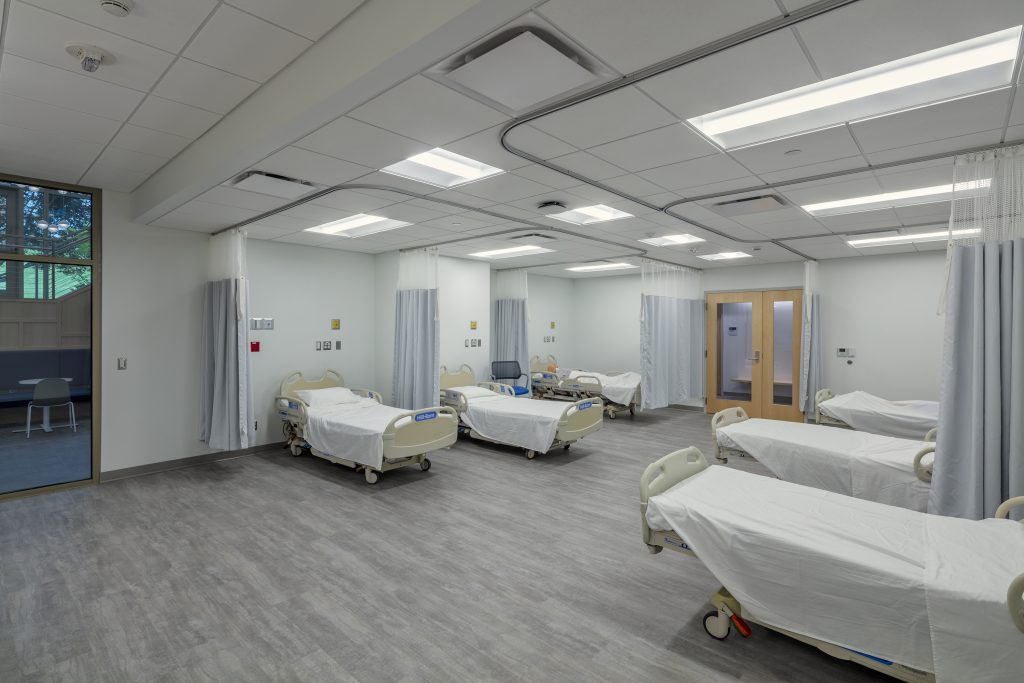
The nursing floor plan features a racetrack circulation configuration with all faculty offices along the north and west corridors and the teaching spaces clustered on the central and south sides. Offices, small meeting rooms, a conference room, and debriefing rooms are located along the south corridor directly across from a SIM Labs and skills lab. The south corridor is student-oriented, providing direct access to many teaching spaces. Benches along this corridor encourage ad-hoc collaboration and give the students much-needed touchdown and study space. It also provides seating for students waiting for class or to speak with faculty.
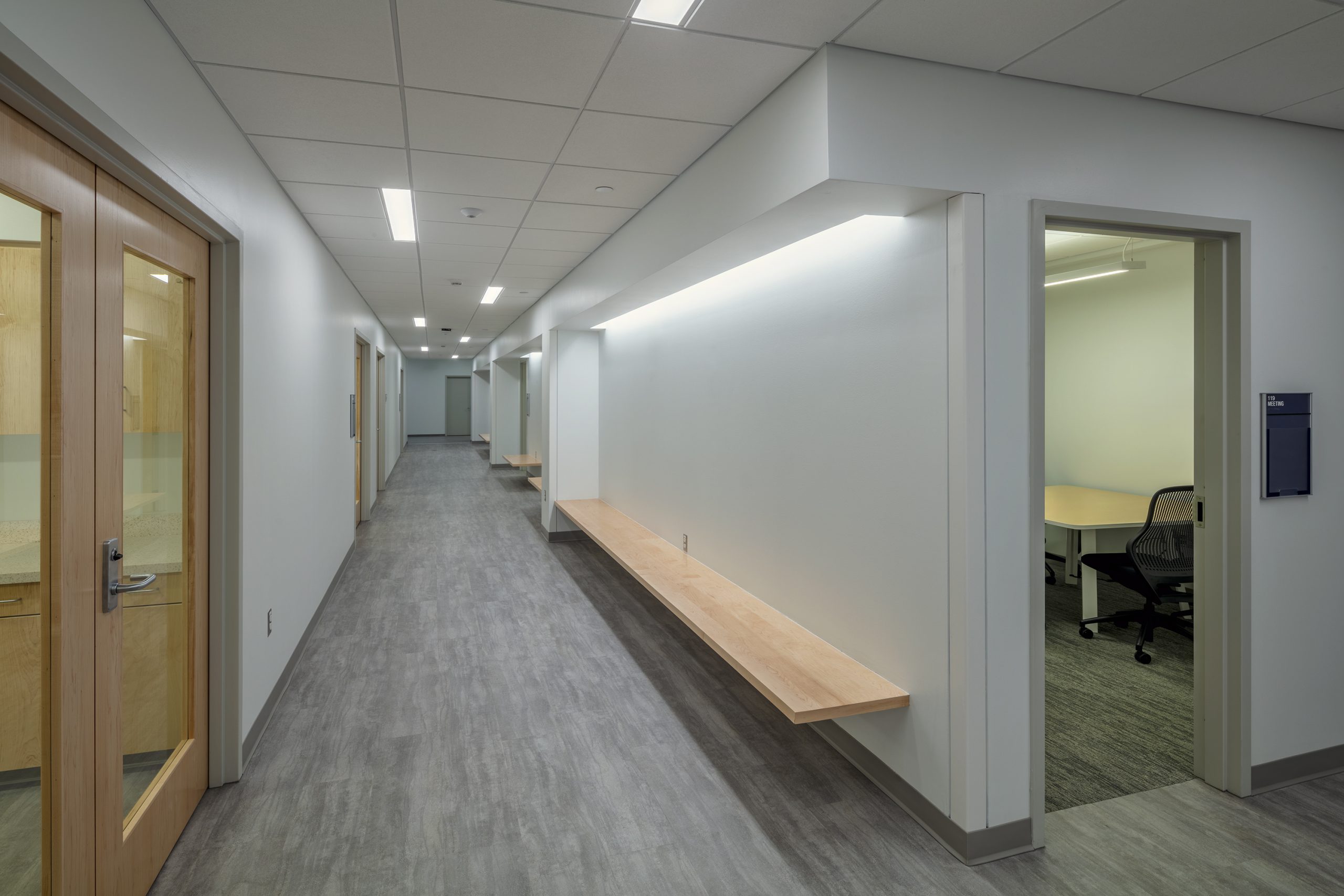
The central core is primarily dedicated to simulation teaching spaces. In this core, the skills lab opens to the first-floor building atrium and lobby. A full-height glazed entrance showcases the nursing teaching space, giving visitors traversing through the building a glimpse into the program offerings—“science on display.” The glazed entrance offers visibility into the skills lab’s meeting area, which has a central table and wall-mounted LCD display screen.
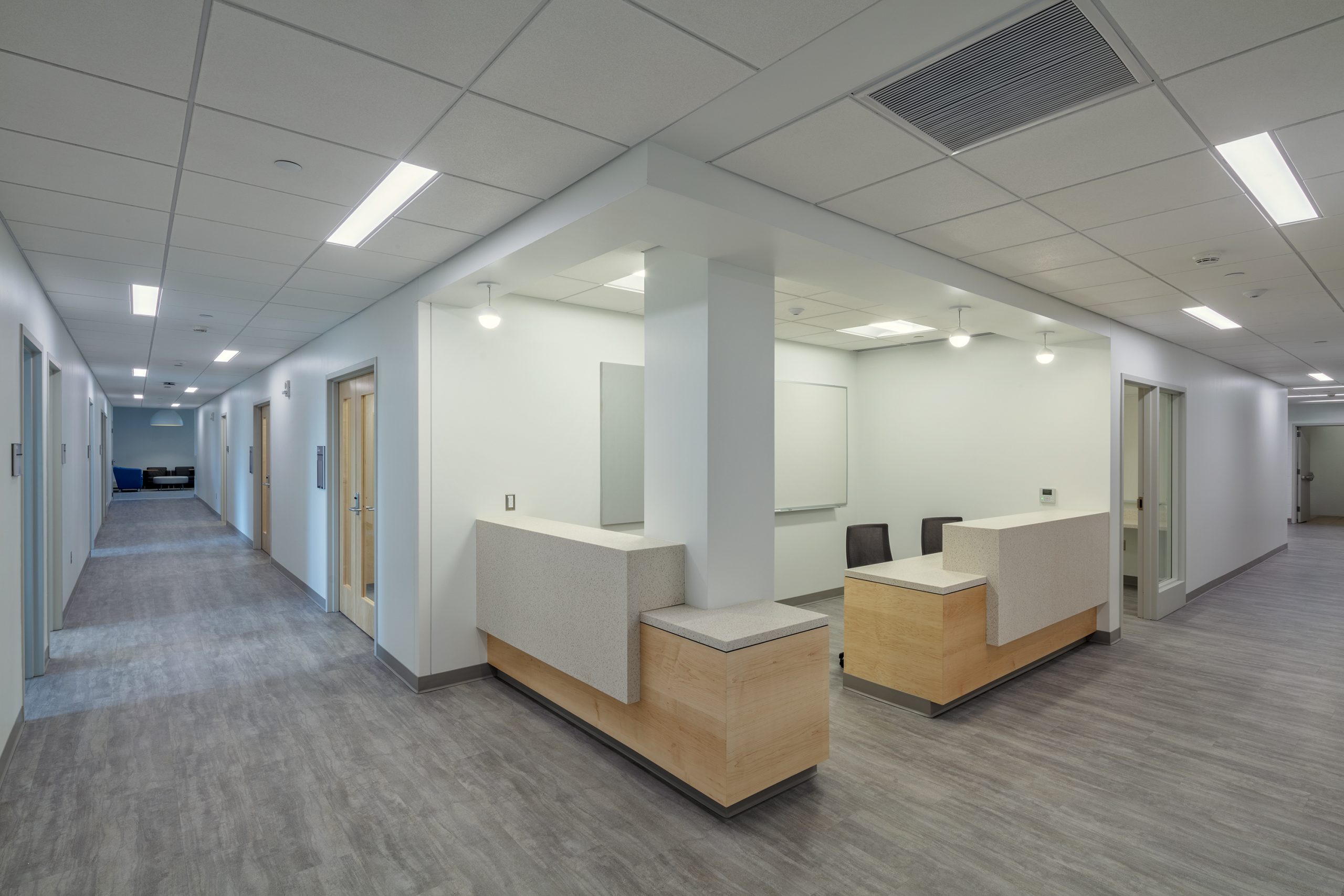
A nurse station at the northwest corner of the racetrack corridor serves as a touchdown space for adjunct faculty and a simulation nurse station. A wall-mounted glass marker board provides a surface for messaging and communications between faculty and students.